Best Zapping Collars for Dogs: Safe, Long-Range Training Options
When selecting a dog training collar, breadth of features and reliability matter. This guide highlights five notable zapping collars designed for different dog sizes and training needs. Each option combines multiple modes (beep, vibration, and stim) with varying ranges and waterproofing to suit outdoor adventures, urban walks, and home training alike. The selections prioritize safety features, user-friendly controls, and durable construction for real-world use.
| Product | Brand | Range | Waterproof | Key Feature |
|---|---|---|---|---|
| Jugbow Dog Shock Collar – 4500FT | Jugbow Store | 4500 ft | IPX8 | 4 training modes, multi-dog with two receivers |
| Jugbow Dog Shock Collar – 4200FT | Jugbow Store | 4200 ft | IPX7 | 4 training modes, dual-channel, memory function |
| Bousnic Shock Collar for Dogs | BOUSNIC Store | ~1000 ft | IPX7 | 3 modes, dual-channel, rechargeable |
| 2026 Upgraded Intelligent Bark Collar | FURR BUNNY Store | Not specified | IP67 | Bark recognition with dual sensors |
| Dog Bark Collar (5 Sensitivities) | FAFAFROG Store | Not specified | Not specified | 5 sensitivity levels, automatic stop feature |
Jugbow Dog Shock Collar – 4500FT Range

The Jugbow 4500FT training collar offers four training modes: Beep (level 1-8), Vibration (level 1-16), Shock (level 1-99), and an Emergency Shock for urgent behavior corrections. It supports up to 4,500 feet of range and can manage two dogs from a single remote. The remote stores each dog’s preferred settings, enabling quick switching between pets during outdoor sessions. The IPX8 waterproof receiver is designed for rain, mud, and aquatic environments, letting dogs train confidently near water or on damp trails.
Jugbow Dog Shock Collar – 4200FT, Dual-Channel

This variant provides four humane training modes with a 4,200-foot range and dual-channel capability, allowing two dogs to be trained simultaneously. It includes a memory function that remembers each dog’s settings, eliminating the need to reset between sessions. The collar accommodates neck sizes from about 7.8 to 24.4 inches and supports dogs ranging from 10 to 120 pounds. The nylon strap is designed for comfort, and the device emphasizes a balance of effectiveness and user safety during training sessions.
Bousnic Shock Collar for Dogs
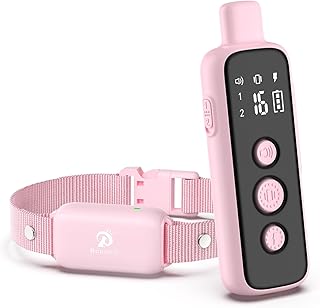
The Bousnic collar provides three core modes—Beep, Vibration, and Safe Shock with adjustable levels (1-16). A nearly 1,000-foot remote range supports training in backyards, parks, or beaches. Its dual-channel design allows two dogs to be trained with one remote. The device is rechargeable, and the receiver is IPX7 waterproof, offering flexibility for outdoor activities. This option emphasizes a straightforward approach to correcting undesired behaviors while maintaining safety and comfort for dogs of various sizes.
2026 Upgraded Intelligent Bark Collar

This barking-focused collar uses an advanced bark recognition chip with dual sensors to minimize false activations caused by other dogs or ambient sounds. It offers three training modes (Beep, Vibration, and Safe Static Shock) with seven sensitivity levels, tailored to a dog’s barking patterns. An IP67 waterproof rating protects the device in rain or splashing water. A built-in auto-protection mode (75 seconds) helps prevent overstimulation after repeated activations, supporting safer, stress-free corrections for moderate to larger dogs.
Dog Bark Collar with 5 Adjustable Sensitivities

This bark collar provides four working modes and five adjustable sensitivity levels. The smart activation system uses a dual-trigger mechanism—sound and vibration from the vocal cords—to minimize false positives when other dogs bark nearby. The device includes a protective mode that temporarily disables the collar after six activations in a row, helping prevent over-correction. The display indicates current status and power levels, aiding monitoring during training and ensuring safe operation for dogs of various sizes, including small and medium breeds.
Buying Guide: Key Purchase Considerations and Comparisons
- Range and coverage: Larger parks and outdoor spaces benefit from long-range models (e.g., Jugbow 4500FT) to maintain line-of-sight control. For compact training areas, shorter-range collars (around 1000-2000 ft) may be sufficient.
- Modes and stimulation levels: Look for a mix of humane options (Beep and Vibration) alongside adjustable static shock levels. Progressive modes help tailor training to a dog’s temperament and response to stimuli.
- Multi-dog capability: If you own more than one dog, dual-channel remotes reduce switching time and off-train confusion. Ensure the remote can remember individual settings for each dog.
- Waterproofing and durability: IPX7 or IPX8 ratings are important for dogs that swim or train in wet conditions. Consider the weight and neck size range to fit your dog’s size and comfort.
- Safety features: Auto-protection timers, safety locks, and temperature monitoring (if available) help prevent overstimulation and accidental activation, supporting humane training.
- Fit and comfort: Adjustable collar width, soft material, and secure fastenings reduce irritation. Check neck size ranges to ensure compatibility with small, medium, and large dogs.
- Battery and charging: Rechargeable lithium batteries with straightforward charging routines improve readiness for daily training. Look for energy-efficient modes to extend battery life during longer sessions.
- Return and warranty: A solid warranty or return policy helps when adjusting to a new training tool. Read reviews for long-term durability and user satisfaction.
- Ethical considerations: Use shock modes sparingly and only for behavioral corrections that are clearly beneficial and humane. Prioritize devices with built-in safety features and clear user instructions.
Note: This article presents objective information about product features and does not constitute medical or veterinary advice. Training practices should align with best practices for animal welfare and local regulations.