Best Ultrasonic Cat Deterrents for Indoor Use: Safe Training and Peaceful Housekeeping
Indoor cat deterrents using ultrasonic signals offer a humane way to protect furniture, plants, and holiday decor while guiding pets toward acceptable behavior. This article features five top ultrasonic options, outlining how they work, placement tips, and what to expect in daily use. We compare coverage, power options, and training effectiveness to help you choose the right device for your home and your cat’s temperament.
| Product | |||
|---|---|---|---|
| Shoo Cat | Up to 18 feet | 9V battery or AC adapter | |
| Tattle Tale Sonic Pet Training Alarm (Pack of 2) | Single-room focus | Battery-powered | |
| Tattle Tale Sonic Pet Training Vibration Alarm | Indoor application on furniture and counters | Battery-powered | |
| Powerhouse Catscram | Specific areas (small to medium spaces) | AC adapter or battery (model dependent) | |
| Vogholic 2026 Upgraded Ultrasonic Pest Control | Large rooms up to multiple units per setup | Plug-in power |
Each option uses ultrasonic cues to deter cats from restricted zones, often complemented by a visual alert or a mild vibration. Placement is key: aim for wall outlets or corners that maximize field coverage while avoiding direct exposure to sleeping or play zones. Read on for detailed product insights and practical usage notes to help you tailor a solution to your home environment.
Shoo Cat Guard: Ultrasonic Training Aid

Shoo Cat is an motion-activated ultrasonic training device designed to deter cats from restricted indoor areas. It emits safe ultrasonic frequencies that cats tend to avoid, nudging them away from furniture, Christmas trees, and countertops. The unit features a notable 18-foot detection range, enabling broad room coverage with a single device. Power options include a 9V battery or an AC power adapter, offering placement flexibility in rooms lacking convenient outlets. Typical use involves placing the detector near the boundary you want the cat to respect and letting it operate automatically as the cat approaches the area. This model is suitable for households seeking a simple, low-maintenance deterrent with a clear, non-visual cue.
Key considerations include charge and accessibility: ensure you have the appropriate power setup on hand. The 9V battery provides mobility, but an AC adapter reduces ongoing maintenance. While ultrasonic signals are generally inaudible to humans, placement should avoid direct exposure to children or individuals with hearing sensitivities. Regular monitoring helps confirm consistent deterrent behavior in the targeted zones. The device’s compatibility with multiple power sources makes it adaptable for living rooms, hallways, or home offices where pets spend substantial time.
Tattle Tale Sonic Pet Training Alarm (Pack of 2)

The Tattle Tale system comprises two compact sonic deterrents designed to train pets by emitting a loud sound when triggered by movement. The unit includes a 65 dBA sound level at 1 meter and a frequency around 5.5 kHz, intended to startle rather than frighten. Each device includes a hanger hole, enabling easy placement on doorknobs, curtain rods, or wall hooks for quick room-wide coverage. While not a continuous training solution, the sonic alarm serves as a periodic reminder for cats to avoid restricted zones. Its self-contained design makes it convenient for renters or temporary setups where drilling or wall mounting is undesirable.
Practical usage focuses on strategic placement and timing. Mount near entrances to rooms you want protected, and set a routine to reset or reposition as cats adjust to the deterrent. If your cat habituates to the sound, rotate units or combine with other deterrents to maintain effectiveness. This pack of two provides flexibility when deterring from multiple access points, but consider combining with physical barriers for best results in persistently curious felines.
Tattle Tale Sonic Pet Training Vibration Alarm
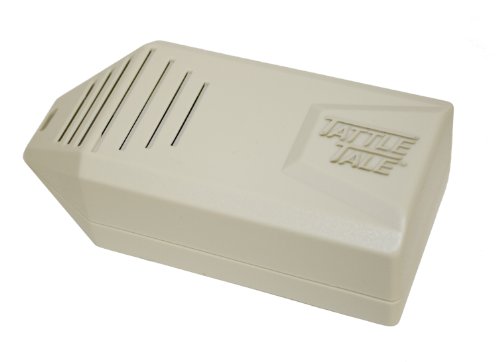
The Tattle Tale Vibration Alarm uses a combination of movement detection, a vibration cue, and a loud tone to deter unwanted feline activity. It is marketed as a training device designed to remind cats to stay off furniture and counters. The approach relies on structural vibration to precede an audible alert, creating a dual-sensory deterrent that can be effective for cats with noise sensitivity or who are inclined toward exploratory behavior on surfaces you want to protect. This unit is typically used as part of a broader training plan, rather than as a sole solution. Placement near common problem areas increases its potential for reducing unwanted scratching or climbing.
Key considerations include cadence and habituation. With repeated exposure, some cats may become less responsive to the alarm. To counteract this, rotate devices’ positions and pair the deterrent with positive reinforcement when the cat uses designated alternatives, such as scratching posts. The combination of vibration and tone aims to create a memorable boundary for home textures and fabrics without resorting to harsher methods.
Powerhouse Catscram Electronic Cat Repellent
The Catscram line from Powerhouse Products provides an electronic approach to deterring cats from specified areas. The device operates quietly and emphasizes humane deterrence, aiming to condition cats to avoid targeted zones over time. It is marketed as able to train cats to avoid certain spaces with minimal disruption to human routines, and it highlights silent operation as a benefit for households seeking discreet deterrents. The product’s effectiveness depends on consistent use and integration with a broader training strategy, including accessible alternatives for scratching or resting spots your cat prefers far from the restricted zones.
Placement strategy is crucial: position the Catscram toward the edge of the restricted area and at a height that aligns with your cat’s typical path. Monitor how quickly your cat adapts and adjust the location as needed. If a zone proves highly persistent, consider supplementing with another deterrent or increasing the frequency of training cues to reinforce boundaries without overwhelming your cat.
Vogholic 2026 Ultrasonic Pest Control

Vogholic’s 2026 upgraded ultrasonic pest control device is designed for indoor use against a range of pests, including rodents and flying insects. While marketed for pest management, ultrasonic signals are non-lethal and intended to deter pests from entering treated spaces. The device promises safe, odorless operation that is compatible with homes housing pets, including cats and dogs. Coverage claims suggest a broad reach, but practical effectiveness often depends on room layout and the number of units deployed in larger spaces. This option is best for households seeking a scalable, plug-in deterrent that can be extended across several rooms for comprehensive protection.
When integrating ultrasonic pest control with cat deterrence, ensure the signals do not cause undue stress to pets or conflict with other training methods. For best results, stagger placement, monitor for any signs of stress in your cat, and combine with enrichment strategies like dedicated play spaces and scratch posts. If you encounter rooms with weaker signal penetration due to walls or furniture, add an additional unit to maintain consistent deterrence across the area.
Buying Guide: Key Purchase Considerations And Comparisons
- Effectiveness vs. habituation: Cats can become accustomed to consistent cues. Choose devices with adjustable triggers, or pair ultrasonic deterrents with occasional changes in placement to maintain effectiveness.
- Coverage and room layout: Larger rooms may require multiple units or models that offer broader detection ranges. Map problem zones and plan placements that maximize line-of-sight to the cat’s usual approach.
- Power options and placement flexibility: Battery-powered options offer mobility, while plug-in units are low-maintenance. Consider your home’s outlet locations and the practicality of running cords near busy areas.
- Humane approach and safety: Look for devices labeled safe for pets and humans. Ultrasonic signals should be non-harmful and non-invasive since your goal is to deter, not distress.
- Training integration: Pair deterrents with enrichment and positive reinforcement. Provide acceptable alternatives like scratching posts or mat seating to encourage alternative behaviors.
- Multi-surface compatibility: If you have furniture, trees, or decor you’re protecting, ensure the device can cover the relevant zones without direct contact with delicate items.
- Maintenance and lifecycle: Check for battery life and replacement needs, especially for battery-powered units. Consider long-term costs and ease of replacing components.
- Seamless home integration: Some devices offer discrete, low-profile designs. If aesthetics matter, opt for unobtrusive units that blend with décor while remaining effective.
When evaluating which option to buy, consider your cat’s personality, your home’s layout, and whether you prefer a single-application deterrent or a multi-zone approach. A combination strategy—such as a primary ultrasonic unit plus a secondary vibration or sonic alarm in adjacent rooms—can improve deterrence without relying on a single device. Always monitor your pet’s response and adjust as needed to maintain a humane, stress-free training environment.