Best Tracking Chip for Pets: Essential Microchips and Trackers for Pet Safety
Pet owners rely on reliable tracking solutions to reunite with pets quickly and safely. This article highlights top tracking chips and microchips for pets, plus smart tracking devices designed for cats and dogs. Read on to compare features, installation, and usage so you can choose a solution that fits your pet’s needs and your lifestyle.
| Product | Brand | Key Feature |
|---|---|---|
| Fi Nano Microchip | Fi Store | Lifetime free registration, universally scannable |
| Universal Pet Microchip 134.2kHz | Various | FDX-B compatibility, simple implantation |
| Mini GPS Tracker For Vehicles | Unbranded | Real-time location, no monthly fee |
| Tabcat V2 Cat & Kitten Tracker | TabCat Homing Tags Store | 2-cat tracking, up to 500 ft range, no monthly fee |
| ISENVO Pet Microchips 5 Pack | ISENVO Store | 5-pack microchips, strict production standards |
The following sections detail five carefully chosen products suitable for pets, covering microchips and dedicated tracking devices. Each entry includes a concise description, key features, and practical use considerations to guide informed purchasing decisions.
Fi Nano Microchip For Dogs

The Fi Nano Microchip provides a compact, sterile implant option designed for dogs. It emphasizes lifetime free registration, with information accessible from any smartphone or computer via nano.tryfi.com. The microchip is supplied with a small-gauge needle and is sterilely packaged, streamlining the implantation process for veterinarians or trained personnel. It is fully searchable by AAHA guidelines, supporting long-term pet identification beyond simple tag-based systems. This option is well-suited for owners seeking a simple, life-long registration workflow.
Usage considerations include the need for veterinary implantation, ongoing access to the registration portal, and ensuring that the scanning equipment used by shelters and clinics can read the chip. The life-long registration reduces recurring costs and simplifies updates to owner contact information over time.
Universal 134.2kHz Pet Microchip

This universal microchip uses a 134.2 kHz FDX-B format, designed for broad compatibility across veterinary clinics and shelters. The microchip is engineered to meet strict production standards, ensuring sterility and reliability. Features include an anti-drop device to prevent loss before implantation, and a coated tag intended to resist dissociation under the animal’s skin after placement. The kit is suitable for small dogs, cats, and other small animals, with straightforward implantation typically performed during neuter procedures by trained personnel.
Considerations include confirming clinic scanners are compatible with 134.2kHz and ensuring access to a centralized registration system. While the chip itself is simple, ongoing registration management helps maintain accurate owner contact data for rapid reunions.
Mini GPS Tracker For Vehicles
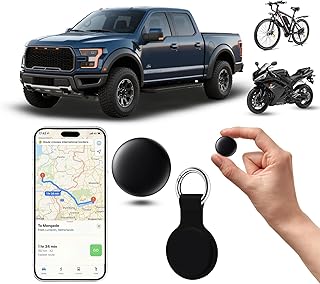
Although marketed for vehicles, this compact GPS tracker is described as capable of real-time location data and multi-device remote tracking, which can be adapted for pet safety. It emphasizes a high-precision GPS chip and an ultra-compact form factor, making it suitable for discreet placement on a pet’s collar. Users can monitor locations via a dedicated app or web platform, providing a practical option for households that require constant visibility of a pet’s whereabouts.
Important considerations include battery life, data plan requirements, and whether the device’s usage terms align with pet tracking needs. While not a dedicated pet tracker, its real-time capabilities and portability can be advantageous in certain scenarios, especially for outdoor or adventurous pets.
Tabcat V2 Cat & Kitten Tracker

Tabcat V2 provides a dedicated RF-based tracking system designed specifically for cats and kittens. It features two lightweight homing tags, cases, and a tracking handset without monthly subscriptions. The device is claimed to locate a cat within 1 inch at up to 500 feet, offering a practical solution for indoor and outdoor use. The tags are extremely light—approximately 0.2 ounces—mitigating discomfort for young or small cats and enabling easy attachment to collars. A single handset can track two cats, with real-time LED color indicators guiding you toward your pet.
Key considerations include the range limits in urban environments, the reliability of RF signals through barriers, and ensuring the tracking system remains compatible with your pet’s collar style and routine. This option excels for cat owners seeking a no-monthly-fee locator with robust indoor/outdoor performance.
ISENVO Five Pack Microchips

The ISENVO microchips come in a five-pack, offering multiple implants for households with several pets or for breeders and clinics that manage multiple animals. The chips adhere to strict production standards to ensure sterility and safety, with anti-drop devices and coated tags designed to minimize dissociation after implantation. They are suitable for most small pets, including dogs and cats, and may also be used with farm animals or wildlife in some contexts. The small form factor facilitates easy injection during routine veterinary procedures.
Considerations include alignment with local clinic scanning capabilities, the ability to maintain consistent records across multiple animals, and the availability of a robust registration pathway for updated owner information. The five-pack approach provides flexibility for families or clinics needing rapid deployment across multiple pets.
Buying Guide: Key Purchase Considerations
- Compatibility and scope: Microchips operate at specific frequencies (e.g., 134.2kHz) and require compatible scanners. Confirm local clinics and shelters can read the chip you select, and consider universal or widely adopted standards to maximize scan success across facilities.
- Registration and updates: Lifetime or ongoing registration options reduce administrative work and ensure contact information remains current. If you relocate or change phone numbers, a reliable registration system helps reunite pets faster.
- Implantation and safety: For microchips, insertion by a trained professional is essential. Look for sterile packaging, proper needle size, and pre-implantation safety features. For trackers, ensure the device is lightweight, comfortable, and secure on a collar.
- Real-time tracking vs. identification: Microchips identify pets when scanned, but trackers can provide real-time location data. Depending on your risk level (outdoors, high escape risk), you may want one or both approaches.
- Range, battery life, and maintenance: RF trackers have limited ranges and may require regular battery charging. GPS trackers depend on battery capacity and network connectivity; plan for charging schedules and potential subscription requirements.
- Cost structure: Some solutions offer lifetime registration with a one-time expense, while others require ongoing fees or monthly plans. Evaluate total cost of ownership over several years, including replacements and updates.
- Pet behavior and welfare: Light, compact tags are preferable for cats and small dogs to minimize discomfort and behavioral disruption. For larger pets or heavy outdoor use, ensure the device’s weight and size are appropriate.
- Data privacy and security: If a service stores personal contact details or location data, review privacy policies and access controls to protect your family’s information.
- Redundancy strategy: A combination of microchip (ID) and a dedicated GPS or RF tracker (location) provides layered protection, increasing chances of successful reunions in varied environments.
In sum, choose a solution that aligns with your pet’s size, lifestyle, and your willingness to manage a tracking system. Microchips provide durable identification, while trackers offer real-time visibility. For many owners, a hybrid approach offers optimal safety and peace of mind.