Best Substrates for Ball Pythons
Choosing the right substrate is essential for ball pythons, helping with humidity control, shedding, burrowing behavior, and overall enclosure hygiene. The following selections are 5 well-regarded coconut husk or chip substrates and bioactive blends designed to support healthy burrows, steady humidity, and easy maintenance. Each option below highlights core benefits to help you compare effectiveness for your ball python setup.
Summary Of Chosen Products
| Product | Brand | Type | Key Benefit | Approximate Size |
|---|---|---|---|---|
| Halatool 2Pack Coconut Chip Substrate | Halatool | Coconut Husk Chips | Good humidity maintenance; burrowing-friendly | 2 bricks expanding to 16L |
| ReptiChip Coconut Substrate | ReptiChip Premium | Coconut Chips | Excellent odor absorption; easy to expand | 72-quart brick (~10 lb) |
| Riare Coconut Chip Substrate | Riare | Coconut Husk Chips | Soft, natural; easy expansion and storage | 2-pack bricks |
| ZeeDix Coconut Chips Substrate | ZeeDix | Coconut Chips | Balanced humidity; breathable and clean | 10 lb brick |
| The Bio Dude Terra Firma Substrate | BIODUDE | Substrate Mix | Supports bioactive habitats; good tunneling | 36 quarts |
Use this table as a quick reference when evaluating how each product aligns with your terrarium goals, whether you prioritize humidity stability, ease of use, odor control, or burrow viability for your ball python.
Halatool Coconut Chip Substrate — 2 Pack

Halatool’s two-pack offers compressed coconut coir bricks that expand into about 8 liters each, totaling a substantial volume for ball python terrariums. The chips are designed to permit natural tunneling while remaining softer than some soil-based substrates, minimizing the risk of sharp edges that could injure a reptile during burrowing. The material is 100% natural coconut husk, with low electrical conductivity, minimal dust, and no added dyes or chemicals. Its humidity retention helps support healthy shedding and a stable microclimate, which is especially important in room environments with fluctuating humidity.
Key notes: the expanded substrate creates a soft, absorptive substrate that buffers humidity and supports burrowing behavior. The product emphasizes safety for delicate scales and is marketed as suitable for ball pythons, corn snakes, and other burrowers. Users should monitor humidity to maintain optimal shedding conditions and avoid excess moisture that could encourage mold growth.
ReptiChip Coconut Substrate

ReptiChip’s coconut substrate is sold as a compressed 72-quart brick, expanding with water to yield a substantial bedding layer. It is described as odor-absorbing and suitable for a variety of reptiles, including ball pythons. The substrate’s moisture management supports a tropical or humid microhabitat while maintaining a clean enclosure. This option is popular among breeders and keepers who need predictable expansion and solid odor control without dust.
Considerations: while providing strong humidity retention, potential users should monitor moisture to prevent oversaturation. ReptiChip emphasizes a “premium” quality with an emphasis on a clean, ready-to-use texture after expansion. It’s compatible with snakes, turtles, and other species that thrive onvegetative or husk-based substrates.
Riare Coconut Chip Substrate

Riare provides a two-pack of natural coconut chip substrate designed for easy expansion and storage. The chips are described as soft, natural, and free from dust and sharp pieces, making them suitable for a variety of reptiles including ball pythons, tortoises, and lizards. The packaging is compressed for convenient shipping and storage, and the product claims strong humidity retention so the substrate remains moist enough for burrow creation and healthy shedding. It is positioned as both a practical and comfortable habitat upgrade for tropical or subtropical terrariums.
Usage guidance: add water to expand the bricks, then blend or distribute evenly in the enclosure. The texture supports natural burrowing while providing a tactile, naturalistic substrate aesthetic. It is particularly appealing to keepers who prioritize simple maintenance and minimal dust. A primary care note is to adjust water input based on ambient humidity and the needs of ball pythons during different seasons.
ZeeDix Coconut Chips Substrate

ZeeDix offers a 10-pound brick of compressed coconut coir chips that expand into loose chips. The product emphasizes natural, matured coconut husk material, with a breathable, dust-free composition designed to maintain balanced humidity and a healthy environment. The substrate is described as clean, sustainable, and suitable for a range of reptiles, including ball pythons, geckos, tortoises, and frogs. It’s marketed for easy expansion and odor management, making it a practical choice for keepers who want a straightforward setup with reliable performance.
Practical considerations: the density of the brick may require thorough mixing after expansion to ensure an even substrate depth. As with other coconut-based substrates, monitor moisture levels to prevent fungal growth or mold, especially in rooms with variable humidity or heat sources nearby.
The Bio Dude Terra Firma Substrate — 36 Quarts
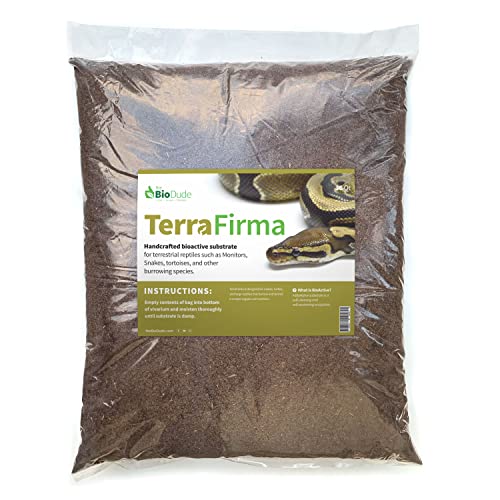
The Bio Dude Terra Firma mix is designed for terrariums and vivariums, with an eye toward bioactive habitats. It promotes proper aeration and drainage and supports tunnel creation and shedding. This blend tends to be favored by keepers pursuing a more natural, self-sustaining enclosure, particularly for ball pythons and similar species. The substrate is formulated to reduce compaction and maintain a breathable substrate profile, aiding in humidity regulation and overall habitat health over time.
Usage context: Terra Firma is often chosen for multi-species or plant-inclusive setups, where a balanced ecosystem can thrive. It is compatible with biota that benefit from a structured substrate that does not hinder burrows. For ball pythons, ensure the enclosure has appropriate humidity targets and monitoring to preserve shedding quality and skin health.
Buying Guide: Substrate Considerations For Ball Pythons
- Humidity management: Ball pythons benefit from stable humidity to aid shedding. Coconut husk chips and compressed coco coir substrates typically retain moisture well, but avoid excessive dampness that could promote mold or bacterial growth.
- Burrowing and safety: Look for substrates with a soft texture and natural shapes that encourage natural burrowing while protecting delicate scales. Avoid sharp fragments or overly coarse blends that could injure the snake during exploration.
- Dust and cleanliness: Dust-free formulas improve enclosure hygiene and reduce respiratory irritants. Many coconut-based products advertise low dust; confirm with product reviews and user feedback.
- Expansion and storage: Compressed bricks or blocks are space-efficient for shipping and storage. Ensure you have a plan to expand the substrate to the target depth once water is added.
- Maintenance and replacement: Some substrates are easier to clean or replace in sections, while others encourage bioactivity. Consider whether you prefer a simple top-up approach or a substrate that supports a longer cycle between changes.
- Bioactivity potential: Some blends, especially those marketed for bioactive habitats, can reduce odor and provide a more natural ecosystem. For beginners, a non-bioactive option can be less complex to manage.
- Compatibility: Confirm the substrate is suitable for ball pythons and does not introduce elements that could irritate the scales or skin. Avoid products with synthetic additives or dyes.
- Cost and availability: Compare brick sizing, expansion yield, and per-unit cost. Availability may vary by region, so review shipping times and bulk options if you maintain multiple enclosures.
Overall, the listed products provide a spectrum of options—from simple humidity-friendly coconut chip substrates to more elaborate, ecosystem-friendly blends. When selecting, align the choice with your enclosure’s humidity target, the ball python’s shedding needs, and your maintenance routine. Regular monitoring of humidity, temperature, and substrate condition will help ensure a healthy, comfortable habitat for your ball python.