Best Substrates for Planted Aquariums and Shrimp Tanks
Choosing the right substrate is essential for rooted plants, shrimp, and other community tank inhabitants. This guide highlights five prominent substrates that support robust plant growth, stable water chemistry, and healthy biofilms. Each option offers practical benefits for beginners and seasoned aquarists alike, from nutrient-rich soils to visually striking sands. Use the comparison table below to quickly gauge how these substrates align with your setup and goals.
| Product | Brand | Main Benefit |
|---|---|---|
| Fluval 12694 Plant and Shrimp Stratum | Fluval | Strong plant growth; supports neutral to slightly acidic pH |
| Fluval 12693 Plant and Shrimp Stratum | Fluval | Fast nitrifying colonization; pH stability; shelter for newborn shrimp |
| Fluval 12697 Natural Mineral-Rich Volcanic Soil Bio Stratum | Fluval | Vibrant color and robust growth; activated by water contact |
| CaribSea Midnight River Sand | Carib Sea | Fine black substrate; natural look; supports fauna and plants |
| Brightwell FlorinVolcanīt Rio Escuro-XF | Brightwell Aquatics | Lowers GH and pH; supports shrimp and plants; strong root development |
These selections cover nutrient-rich soils, mineral-rich volcanic substrates, and visually appealing sands. They are suitable for a wide range of planted tanks, from shrimp-focused biotopes to lush, high-tech aquascapes. Each product has distinct advantages in shaping plant health, rooting efficiency, and water chemistry. Review the specifics below to identify the best match for your aquascape goals and maintenance routine.
Fluval Stratum For Plants And Shrimp

Fluval Stratum is designed to promote robust plant growth through easy root penetration and nutrient absorption. Its porous structure encourages rapid colonization by beneficial nitrifying organisms, contributing to a stable, healthy aquarium biofilter. The substrate is formulated to sustain a neutral to slightly acidic pH, which aligns well with common aquatic plants, tropical fish, and shrimp in planted tanks.
Fluval Stratum For Strong Plant Growth
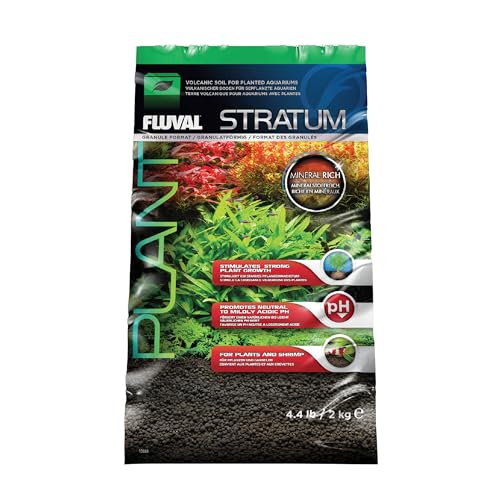
This Stratum variant emphasizes rapid and beneficial colonization by nitrifying bacteria, helping establish a healthy nitrogen cycle early on. It also maintains a neutral to slightly acidic pH that supports a wide range of aquatic flora and fauna. An added benefit is its ability to provide a safe, protective habitat for newborn shrimp, helping them thrive before joining the main display area.
Fluval Volcanic Soil Bio Stratum
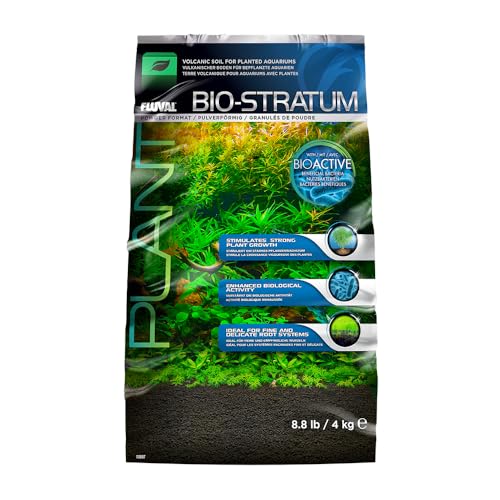
Fluval’s volcanic soil bio stratum enriches plant development and promotes vibrant coloration. The substrate activates when it contacts water, initiating the nitrogen cycle through dormant nitrifying organisms. It rapidly stabilizes water conditions in new aquariums, supporting a healthy start for both plants and animals in planted tanks.
CaribSea Midnight River Sand

CaribSea Midnight River Sand offers a smooth, natural black appearance that enhances the aesthetics of any aquascape. Its fine grains provide a stable base for rooted plants and bottom-dwelling fauna, while contributing to a natural filtration balance as part of a diverse substrate ecosystem.
Brightwell FlorinVolcanīt Rio Escuro-XF
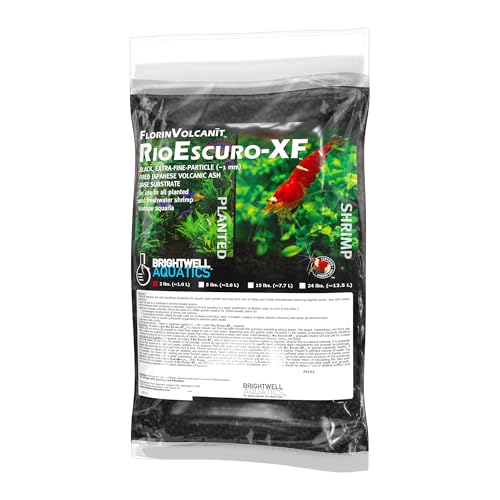
This natural volcanic substrate lowers general hardness and pH, producing an ideal soft-water environment for Caridina shrimp and many delicate tropical plant species. It also promotes strong root development by stimulating nutrient uptake, helping plants establish robustly in new aquariums.
Buying Guide
Key considerations when selecting a planted-aquarium substrate include nutrient delivery, pH stability, particle size, and maintenance needs. For nutrient-rich growth, consider soils that host beneficial bacteria and release minerals gradually over time. If soft water is desired for sensitive shrimp, look for substrates designed to lower GH and pH. For high-contrast aesthetics, dark sands and mineral-rich volcanic soils offer striking visual appeal while supporting plant roots. Compatibility with your flora and fauna is essential; some substrates favor rooted plants, while others are better suited for shrimp biotopes.
Compare ways to manage maintenance and long-term performance. Soils with active nitrifying bacteria can reduce initial cycling time but may need careful monitoring during first weeks. Sands provide stability and simplicity, though nutrient delivery may be slower unless paired with root tabs or nutrient-rich amendments. Consider your tank size, plant density, and desired shrimp species when choosing a substrate. Finally, verify that the substrate is labeled as aquarium-safe and free of dust to minimize clouding during setup.