Best Small Crabs for Pets: Top Picks for Tiny Ocean Friends and Land Hermits
Answering the question for pet owners seeking compact, easy-care crustaceans: the best options are tiny freshwater micro crabs and land hermit crabs that fit compact habitats. This guide focuses on small crabs suitable for nano tanks, desktop aquariums, or small crabitats, along with practical care basics. The top picks below include micro crabs, hermit crabs, and essential supplies to support safe, enjoyable habitats. The buyer may be a beginner seeking occasional curiosity or a seasoned hobbyist building a nano setup.
Summary table of chosen products
| Product | Best For | Why It Stands Out |
|---|---|---|
| Aquatic Arts 5 Live Freshwater Micro Crabs | Nano tank enthusiasts, planted tanks | Extremely small, thrives with plants and bubblers |
| 1 Live Hermit Crab Shipped Now | First-time hermit crab keepers | Includes extra shell; easy-to-care-for |
| Nature Gift Store 2 Live Hermit Crabs Shipped Now | Small groups for enrichment | Two crabs with extra shells |
| Constantia Pets Hermit Crab Sponges 5 Pack | Habitat moisture and hydration | Unbleached, nutrient source for crabs |
| Zoo Med Shrimp Crab Lobster Food | Diet variety for aquatic invertebrates | Sinking, US-made nutrition |
Aquatic Arts 5 Live Freshwater Micro Crabs

Best for nano tanks and planted setups, these tiny crabs are described as half-inch wide and are best handled by experienced nano aquarists. They stay fully aquatic and thrive with aquarium plants, a bubbler or airstone, and room to move. This option is ideal for hobbyists who want an interesting, tiny invertebrate that can share a densely planted aquarium. The caveat is their very small size; research and careful acclimation are essential before purchase.
Who it’s best for: experienced nano-keepers, planted-tank hobbyists, and shrimp enthusiasts seeking tiny crustaceans to complement a micro ecosystem.
Why selected: It emphasizes a compact footprint with plants and aeration, which supports active micro-crabs in small aquariums.
Caution: Very small crabs require careful monitoring to ensure appropriate feeding and to prevent being outcompeted by faster tankmates.
1 Live Hermit Crab Shipped Now

Best for first-time hermit crab keepers seeking a complete starter experience. This option includes one active crab and an extra shell, which helps reduce shell competition as the crab grows. Hermit crabs generally require a habitat with dry and moist areas, proper humidity, sand or coconut fiber substrate, and access to both water and hiding spots.
Who it’s best for: beginners seeking a simple, small crustacean with a straightforward setup and immediate enrichment for the crabitat.
Why selected: It provides an introduction to hermit crabs with an extra shell to ease the transition and growth period.
Caution: Ensure the habitat has proper humidity and a moist area; hermit crabs need stable moisture to molt and stay healthy.
Nature Gift Store 2 Live Hermit Crabs Shipped Now

Best for slight diversification and enrichment, this listing includes two active hermit crabs and extra shells. Keeping crabs in pairs or small groups can enhance activity and social interaction in the crabitat. A compact, low-maintenance species, hermit crabs still require humidity, appropriate substrates, and access to both dry and damp zones.
Who it’s best for: shoppers who want a small group to observe social behavior within the habitat and who can provide two suitable shells for growth and exploration.
Why selected: The pair increases environmental stimulation and reduces shell-conflict risk compared with a single crab in the same space.
Caution: Monitor for shell hoarding or aggression; maintain multiple shelter options and enough space for each crab to retreat.
Constantia Pets Hermit Crab Sponges – 5 Pack
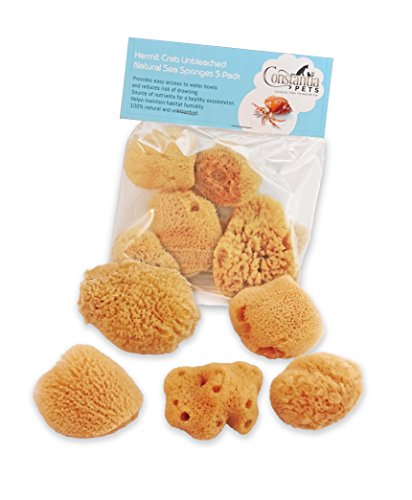
Best for habitat moisture and hydration, these unbleached sea sponges provide drinking surfaces and potential nutritional benefits for hermit crabs. Sponges can contribute to humidity regulation and offer a tactile foraging element. They are described as additive-free and processed with minimal chemical alteration.
Who it’s best for: hermit crab keepers seeking natural decor and supplemental hydration options within the crabitat.
Why selected: Sponges can act as a moisture source and potential nibble for crabs, supporting hydration and environmental enrichment.
Caution: Sponges should be cleaned and replaced as needed to prevent mold or buildup in humid habitats.
Fluker’s Premium Variety Diet For Hermit Crabs

Best for dietary variety, this premium diet supports hermit crab nutrition. The listing notes the country of origin and basic hygiene practices, highlighting the importance of providing chlorinated water and clean handling. Diet variety is helpful for overall exoskeleton health and vitality in hermit crabs.
Zoo Med Shrimp Crab Lobster Food

Better for varied diets in aquatic invertebrates, this sinking food is designed for shrimp, crabs, and lobsters. Made in the USA, it offers a practical option to supplement a crab’s diet in mixed tanks or dedicated invertebrate habitats.
Nature Gift Store 1 Live Hermit Crab With Shells

Best for a compact, initial hermit crab experience, this listing includes one live hermit crab and two extra shells, set for small habitats. It’s suitable for buyers who want a simple start with ongoing shell accessibility as the crab grows.
Buying Guide: Small Crabs For Pets
- Habitat size and setup: Choose species that fit your tank. Micro crabs require dense plant cover or decorations, while hermit crabs need a moist, well-ventilated habitat with substrate, water dishes, and hiding spots.
- Water quality and humidity: Freshwater micro crabs and hermit crabs both rely on clean water and stable humidity. Use dechlorinated water and monitor moisture in the substrate and air.
- Diet and nutrition: Combine species-appropriate foods with supplemental items like sinking pellets or natural options. Variety supports shell health and activity.
- Shell availability for hermit crabs: Provide multiple empty shells in different sizes and shapes to reduce stress and shell competition.
- Companion tankmates: Small crabs can coexist with small fish or shrimp in some setups, but monitor for aggression and space constraints. Avoid overcrowding to reduce stress and disease risk.
- Maintenance and safety: Regular cleanings, stable temperatures, and safe, non-toxic substrates protect crabs from stress and health issues.
Frequently Asked Questions
- Are tiny crabs suitable for beginners? Some micro crabs are best left to experienced nano-keepers, while beginner hermit crabs can start with a simple, well-planned habitat.
- What size tank do I need for hermit crabs? Start with at least a small crabitat that provides vertical space, moisture zones, and several hiding spots.
- How often should I feed them? Feed hermit crabs in small portions daily or every other day; micro crabs may require more frequent, smaller feedings depending on tank mates.
- Is sand or soil better for hermit crabs? A beach-style sand and soil mix is common, ensuring the substrate stays moist but not soggy.
- Can I mix micro crabs with other invertebrates? Yes, with careful monitoring, but ensure compatibility and avoid overcrowding to minimize stress and predation concerns.
- What are signs of stress or illness? Lethargy, loss of appetite, shell problems, or unusual swimming/shaking indicate possible stress or illness and require prompt attention.