Best Shampoo for Ringworm Dogs: Effective Medicated Choices for Pets
When a dog shows ringworm symptoms, selecting the right medicated shampoo can help control mites, soothe irritation, and support faster healing. This guide highlights five medicated shampoos suited for dogs with ringworm or fungal skin issues, detailing who each product is best for and why. Use this to compare options for veterinary-approved care, at-home maintenance, and sensitive skin needs.
Buyer takeaway: pick a shampoo that targets fungal or yeast infections, avoids harsh irritants, and fits your dog’s coat type. The top products below are chosen for active antifungal ingredients, skin-soothing formulas, and clear usage guidance. A quick comparison table is provided to help you decide at a glance.
| Product | Best For | Key Ingredient or Benefit | Notes |
|---|---|---|---|
| Veterinary Formula Clinical Care Antiseptic & Antifungal Shampoo | Dogs with red, greasy, or flaky skin; sensitive or yeast-prone coats | Antiseptic and antifungal blend; dye- and paraben-free | Clinical-care formula; 16 oz size |
| Nizoral Ketoconazole Pet Shampoo | Dogs and cats needing antifungal and antimicrobial support | 1% Ketoconazole, 2% Chlorhexidine Gluconate | Effective against fungal infections and odor control |
| Davis Miconazole Pet Shampoo | Dogs with mild to moderate fungal skin conditions | Miconazole antifungal | 12 oz bottle; simple antifungal option |
| Arava Natural Medicated Dog Shampoo | Dogs needing a mineral-enriched, deep-cleanse for dermatologic issues | Dead Sea minerals; multiple natural ingredients | Supports skin health and soothing cleansing |
| Ring Out Shampoo and Soap | Coat maintenance for ringworm-prone dogs; show dogs requiring low-suds care | Tea tree oil; low-suds formula | 32 oz; focuses on hair health and ringworm-related concerns |
Note: This article presents product information in a straightforward, buyer-focused way to help you compare options quickly. Always follow your veterinarian’s guidance for diagnosing ringworm and choosing a suitable shampoo regimen.
Veterinary Formula Clinical Care Antiseptic & Antifungal Shampoo

Best for: dogs with greasy, flaky, or red skin needing a clinical-care antifungal treatment. Why chosen: contains antiseptic and antifungal action to address common ringworm symptoms while avoiding parabens and dyes. Limitations: may require follow-up with a veterinarian for persistent infections.
Nizoral Ketoconazole Pet Shampoo

Best for: dogs and cats needing robust antifungal and antimicrobial support. Why chosen: combines ketoconazole with chlorhexidine for broad fungal coverage and odor control. Limitations: not ideal for gentle or very sensitive skin without veterinary guidance.
Davis Miconazole Pet Shampoo

Best for: dogs with mild to moderate fungal skin conditions seeking an uncomplicated antifungal routine. Why chosen: active miconazole ingredient can help manage ringworm-related irritation. Limitations: may require adjustments if inflammation is severe or if data indicates resistance concerns.
Arava Natural Medicated Dog Shampoo
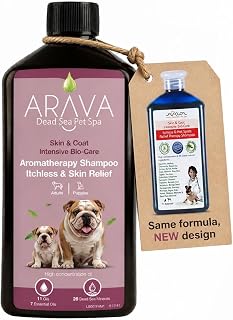
Best for: dogs needing a mineral-rich, deep-cleanse to support skin health. Why chosen: Dead Sea minerals and multiple natural ingredients aim to soothe and correct dermatologic issues. Limitations: natural formulas may vary in scent and lather; efficacy depends on skin condition severity.
Ring Out Shampoo And Soap

Best for: show-quality dogs or homes needing low-suds products with ringworm-focused care. Why chosen: contains tea tree oil with a low-suds formula that can help reduce irritation while promoting hair health. Limitations: tea tree oil can be irritated in some dogs; patch test before full baths is advised.
Buying Guide: How to Choose The Right Ringworm Shampoo For Dogs
Antifungal efficacy: Look for ingredients like ketoconazole, miconazole, or chlorhexidine, which target fungal infections commonly associated with ringworm.
Coat and skin type compatibility: Consider your dog’s coat length, undercoat density, and skin sensitivity. Some formulas are gentler for daily use, while others are more robust for severe infections.
Usage guidance: Some shampoos require contact time on the skin, while others are rinse-off or leave-on products. Follow veterinary directions for frequency and duration.
Adjunct care: If ringworm persists, your vet may recommend additional therapies such as topical antifungals, oral medications, or environmental cleaning to prevent reinfection.
Fragrance and irritation risk: Natural or fragrance-free options may reduce irritation for sensitive dogs. Patch testing a small area before full-body baths is prudent.
Frequently Asked Questions
- Q: Can I use human antifungal shampoo on my dog? A: No. Human products may have different concentrations and ingredients that can irritate canine skin. Use dog-specific shampoos or veterinary-recommended products.
- Q: How often should I bathe a dog with ringworm? A: Frequency depends on product directions and veterinary advice. Some cases require regular baths, while others need limited use to avoid skin drying.
- Q: Do medicated shampoos cure ringworm? A: They help manage symptoms and reduce the fungal load but are usually part of a broader treatment plan prescribed by a veterinarian.
- Q: Should I discontinue a shampoo if irritation occurs? A: Stop use and consult a veterinarian. Some dogs may have sensitivities to active ingredients or fragrances.
- Q: Can ringworm recur after treatment? A: Yes, if environmental sources are not addressed. Sanitize bedding, grooming tools, and living spaces to minimize reinfection.
- Q: Is a patch test necessary? A: Yes. Test a small skin area before full-body application to gauge any adverse reaction.