Best Pebbles for Turtle Tank: Top Natural Substrates for Safe, Clean Aquariums
If you’re stocking a turtle tank, choosing the right pebbles matters for safety, ease of cleaning, and aesthetic appeal. This guide highlights five well-suited options and explains who each product is best for. Whether you’re caring for red-eared sliders, map turtles, or other fully aquatic species, these pebbles offer smooth textures, natural colors, and reliable durability. The buyer types most likely to benefit from these picks include beginners building a basic turtle habitat, aquarists seeking low-maintenance substrates, and hobbyists aiming for a natural riverbed look.
| Product | Brand | Best For | Notes |
|---|---|---|---|
| Zoo Med Aquatic River Pebbles for Turtle 10 lbs. | Zoo Med | Red-eared sliders, map turtles, painted turtles | Pre-washed; not for softshell turtles |
| OUPENG Pebbles Polished Gravel | OUPENG | Indoor/outdoor decorative use; safe for fish and plants | Natural colors; may include variations; no sharp edges |
| Virekm River Rocks, Decorative Pebbles | Virekm | Varied decorative setups; eases drainage and aesthetics | Small, smooth; indoor/outdoor use |
| Exo Terra Turtle Pebbles, Large | Exo Terra | Medium to large turtles; reduces injury risk | Round 0.3-0.4 inch; natural riverbed look |
| YISZM 2lbs Natural River Rocks | YISZM | Aquarium and terrarium use; plant drainage | Non-toxic; no additives; varies in color |
Zoo Med Aquatic River Pebbles for Turtle 10 lbs.

Best for established turtle tanks that require a widely used, pre-washed option. Zoo Med pebbles are designed for fully aquatic species and are ideal for red-eared sliders, map turtles, painted turtles, musk turtles, and other similar fish-safe habitats. They are not recommended for softshell turtles. The size and smooth texture help prevent injuries to bottom-dwelling or foraging turtles while delivering a natural-looking riverbed.
Why this pick: The product is specifically marketed for aquatic turtles, reducing the risk of grit ingestion and aiding in substrate maintenance. The pre-washed feature helps minimize debris during setup, supporting cleaner water right from installation. Best for buyers who want a straightforward, reputable option with clear suitability for common turtle species.
Limitation: Not suitable for softshell turtles, which require different substrate considerations to avoid abrasion or habitat disruption.
OUPENG Pebbles Polished Gravel
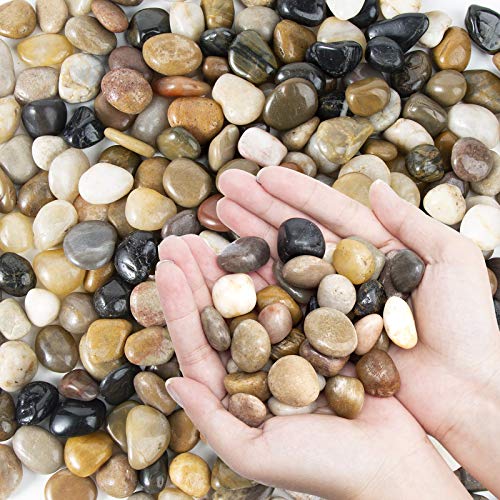
Best for decorative setups and mixed-use tanks where subtle color variation adds visual interest without harsh edges. These natural stones are lightly polished for a smooth finish and come in assorted browns, whites, and blacks. They resist fading, sustaining their look in both indoor aquariums and terrariums.
Why this pick: The natural colors and rounded shapes reduce the risk of damage to turtle limbs and mouths. The stones provide good drainage and aeration, supporting plant roots and beneficial bacteria. Best for buyers balancing aesthetics with practical safety concerns.
Caution: Natural stones can include stones that are oval or irregular in shape; inspect for any sharp edges before placement.
Virekm River Rocks, Decorative Pebbles
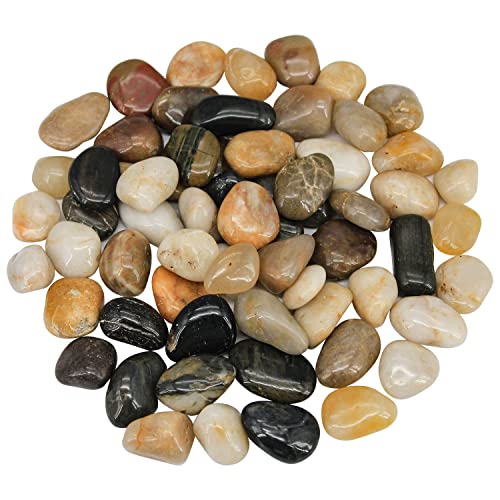
Best for versatile décor and mixed-use aquariums and terrariums. Virekm rocks are natural and lightly polished, offering smooth surfaces that are gentle on turtles. The color variety and small size make them suitable for creating naturalistic riverbeds in larger tanks and vivariums.
Why this pick: They are universally compatible with indoor and outdoor setups, and their small size enhances water flow and plant growth across substrates. Use this if you want cohesive color blocking with other decorative stones.
Limitation: The stones are relatively small, so they may be tempting for curious young animals; supervise early in-tank exploration to avoid accidental swallowing.
Exo Terra Turtle Pebbles, Large

Best for medium to larger turtles and for aquariums where a robust substrate is needed to minimize digging and destabilization. Exo Terra pebbles, sized 0.3-0.4 inch, offer a natural look and are designed to reduce injury risk for bottom-dwelling or foraging turtles. They pair well with a deeper substrate to encourage natural behaviors.
Why this pick: The large, rounded pebbles create a stable riverbed appearance and help protect the animal’s underside during movement. Choose this if you have bigger turtles or want a more restrained substrate footprint.
Limitation: Slightly larger particle size means less surface area for beneficial bacteria compared to finer substrates; ensure tank filtration supports adequate bio-load balance.
YISZM 2lbs Natural River Rocks

Best for plant-friendly setups and mixed-use aquariums where drainage matters. These non-toxic stones are free of dyes or oils, making them safe for fish, turtles, and aquatic plants. They help improve drainage for potted plants and can be used around water features in terrariums and fish tanks alike.
Why this pick: The natural color variety blends well with most tank themes, and the stones’ smooth texture reduces snagging or injury risks. Opt for this when you want a versatile substrate that doubles as a plant-friendly drainage aid.
Caution: Natural variations mean color and size may differ between batches; purchase enough to cover the desired area for a uniform look.
Buying Guide: Key Considerations For Turtle Tank Pebbles
What size and texture work best for a turtle tank? Choose pebbles with smooth edges, and sizes that minimize the chance of ingestion or mouth injury. For larger species, go with bigger, heavier pebbles to reduce displacement during tank cleaning. For smaller species, finer, rounded gravel helps prevent gaps that could trap the animal.
Are natural stones safe for pets? Look for stones labeled non-toxic and free of dyes, oils, or chemical finishes. Pre-washed options reduce debris during setup, helping maintain water quality from day one.
How do I maintain substrate health? A mixed approach with a deeper substrate helps detritus settle and can aid biofilm development for hardy tank bacteria. Regular siphoning during water changes remains essential, regardless of pebble choice.
Which options are best for mixed habitats? If you keep both aquatic plants and animals, prioritize stones that are smooth, non-porous, and easy to clean. Stones that resist fading and maintain color under lighting are ideal for long-term aesthetics.
What about safety and cleaning? Avoid pebbles with sharp edges. Always rinse stones before adding to the tank and inspect periodically for wear or cracks that could snag fins or shells. If you keep softshell turtles, consult species-specific substrate guidance as some pebbles may irritate their delicate skins.
FAQ
- Can I mix different pebble brands in one turtle tank? Yes, but ensure all pieces are smooth and non-toxic, and avoid sharp-edged stones. Mixing can enhance aesthetics and functionality if sizes are compatible with the turtle’s behavior.
- Are polished pebbles safe for turtles? Generally safe if free of coatings and dyes. Some turtles may have sensitive mouths, so start with smoother, naturally colored stones and monitor behavior.
- Do turtles need a deep substrate? A deeper layer can help with burrowing and comfort for certain species, but ensure water flow and filtration won’t be hindered by excessive coverage.
- Will pebbles affect water quality? Pebble substrates can trap detritus; regular cleaning and partial water changes help maintain clarity and reduce nitrate buildup.
- Which pebble size is best for large turtles? Larger pebbles provide stability and reduce the chance of ingestion. Pair with a secondary substrate if you want deeper digging options.
- Should I use decorative rocks outside the tank? Outdoor-use rocks can introduce contaminants. Always rinse and verify suitability for aquatic environments before using them in terrariums or ponds.