Best Omega Supplements for Dogs: Top Fish Oil Options for Skin, Joints, and Immunity
Choosing the right omega-3 supplement for your dog can support a shiny coat, healthier skin, and better joint comfort. This guide highlights five well-regarded options and explains what to look for when selecting an omega blend for dogs and, in some cases, cats as well. All picks emphasize EPA and DHA and come from trusted brands with pet-focused formulations.
| Product | Brand | Notes |
|---|---|---|
| Zesty Paws Wild Alaskan Omega-3 Blend | Zesty Paws | |
| BARK&SPARK Omega 3 for Dogs | BARK&SPARK | |
| Nordic Naturals Omega-3 Pet | Nordic Naturals | |
| Native Pet Omega 3 Fish Oil | Native Pet | |
| Zesty Paws Omega 3 Alaskan Fish Oil Chew | Zesty Paws |
These selections cover liquid or soft-chew formats, a range of price points, and both dog- and cat-friendly options. The table above provides a quick snapshot of the five most relevant picks for omega supplementation in dogs based on EPA/DHA content, source quality, and potential benefits for skin, coat, joints, and overall vitality.
Zesty Paws Wild Alaskan Omega-3 Blend
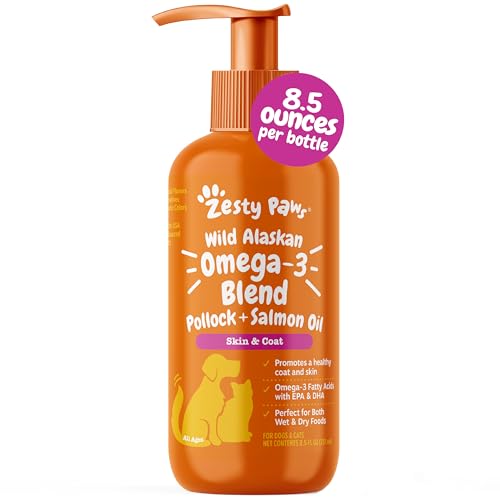
Formulated to support skin and coat health, the Wild Alaskan Omega-3 Blend delivers EPA and DHA from wild salmon oil. This option is designed to be easy to mix into food rather than requiring capsules, making it convenient for daily use. It supports immune health, joints, and heart function while promoting a shiny coat. The pump-based application simplifies dosing for dogs and cats alike, reducing the risk of over- or under-serving.
BARK&SPARK Omega 3 for Dogs
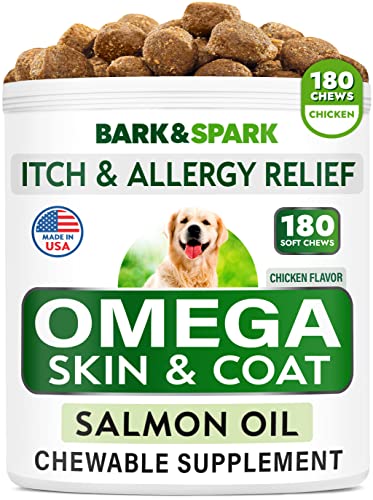
This chewable omega-3 supplement combines EPA and DHA in a tasty treat, offering itch relief for dogs with dry or irritated skin and helping to reduce shedding. In addition to skin and coat support, the formula contributes to joint health and cognitive function. Manufactured in the USA with what the brand describes as human-grade ingredients, these chews offer a convenient, palatable option for daily use.
Nordic Naturals Omega-3 Pet

Nordic Naturals offers a pet-specific omega-3 product with triglyceride form fatty acids for improved absorption. The soft gels are designed for dogs, supporting heart function, skin and coat, and immune health. The brand emphasizes consistent quality and recommends keeping the product separate from human products to preserve suitability for pets. This option suits owners seeking a trusted formulation from a company known for fish oil purity and potency.
Native Pet Omega 3 Fish Oil
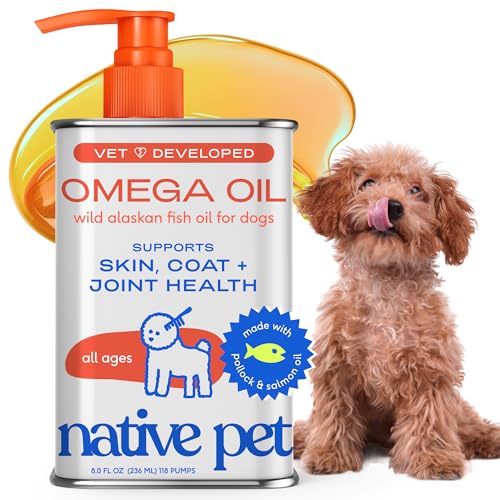
Native Pet combines wild Alaskan pollock oil with salmon oil to deliver a robust omega-3 profile plus vitamin E. The product supports healthy skin and coat, joint mobility, and immune health. It emphasizes sustainability and all-natural ingredients with no unnecessary fillers, aiming for a straightforward daily administration method that maintains palatability for pets.
Zesty Paws Omega 3 Alaskan Fish Oil Chew

These soft chews feature AlaskOmega, a source of EPA and DHA from Alaskan pollock. They’re designed to support hip and joint health, as well as skin and coat wellness. The chews are a flavorful, dog-friendly option that can fit into daily routines without the mess of liquids or capsules. The formulation aims to balance omega-3 intake with additional nutrients to promote overall vitality.
Buying Guide
Key considerations help you select the right omega-3 supplement for your dog. First, check the EPA and DHA content per serving, as these fatty acids are the primary drivers of anti-inflammatory benefits and skin/joint support. Higher concentrations may require careful dosing to avoid unnecessary excess. Form matters: liquids and pumps can be easier to dose consistently, while soft chews offer convenience and palatability for picky eaters.
Source quality is another priority. Wild-caught fish oils from trusted fisheries tend to be fresher and less prone to rancidity. Look for products that specify the fish species (e.g., salmon, pollock) and the algae-free processing methods. Some brands provide triglyceride form oils for better absorption, which can enhance effectiveness even at lower doses.
Allergen and dietary considerations matter. If your pet has fish allergies or sensitive stomachs, consult a veterinarian before starting omega-3 supplementation. For cats and small dogs, smaller serving sizes or countdown dosing may be necessary. If your veterinarian recommends it, pairing omega-3 with other nutrients like vitamin E can help with stability and skin health.
Third-party testing and transparent labeling are signs of accountability. Prefer products with clear ingredient lists, batch numbers, and informational resources about sourcing and processing. If possible, choose brands that publish feeding guidelines and potential side effects, ensuring safe administration alongside other medications or supplements.
Cost and value should be weighed against convenience and palatability. Some dogs may respond better to tasty chews, while others may prefer liquid formats mixed into meals. Consistency matters more than occasional high-dosage bursts, so selecting a format your dog tolerates well will improve long-term outcomes.
Age and health status influence needs. Puppies often require balanced nutrition with appropriate fat intake, while senior dogs may benefit more from joint-focused ingredients and anti-inflammatory support. Pets with heart conditions or immune concerns should be discussed with a veterinarian to tailor dosing and monitor responses over time.
In summary, choose a product with strong EPA/DHA content, a favorable absorption form, clear sourcing, and a format that suits your dog’s preferences. Regular use, aligned with veterinary guidance, supports skin, coat, joints, and overall vitality.