Best Low Salt Dog Food Options for Healthy Pets
Choosing a low-salt dog food helps support cardiovascular health, weight management, and overall well-being. The following options focus on reduced sodium while delivering balanced nutrition for adult dogs and specific needs. Each product is evaluated for protein quality, digestibility, and added nutrients that support joints, coat, and energy levels. The list covers grain-free formulas, reduced-sodium wet diets, and complete meals that suit varied tastes and life stages.
| Product | Brand | Key Benefit |
|---|---|---|
| Wellness CORE Dry Dog Food, Grain-Free | Wellness | High protein, supports lean body mass |
| Dave’s Pet Food Restricted Sodium Diet | Dave’s Pet Food | Explicitly formulated low-sodium recipe |
| Nature’s Recipe Grain Free Small Breed | Nature’s Recipe | Grain-free formula suited for small dogs |
| The Honest Kitchen Whole Grain Chicken & Oat | The Honest Kitchen | Human-grade, minimal processing |
| Hill’s Science Diet Salmon & Brown Rice | Hill’s Science Diet | Balanced nutrition with natural fibers |
Note: Each product page includes the manufacturer’s guidance on feeding amounts and suitability for your dog’s age, activity level, and health status. Always consult a veterinarian if your dog requires a medically restricted diet or has specific dietary needs.
Wellness CORE Dry Dog Food: Grain-Free Turkey & Chicken

Wellness CORE is a grain-free option designed for adult dogs seeking a high-protein, lean-muscle diet. It emphasizes 42% protein ingredients drawn from turkey and other nutrient-dense components. The formula supports digestive health with omega fatty acids, probiotics, and added fiber for weight management. Taurine is included to support heart health, aligning with goals for low-sodium, heart-friendly nutrition. This product is suited for dogs that tolerate grain-free diets and benefit from robust muscle maintenance.
Key features include grain-free protein from responsibly sourced turkey, probiotic support for digestion, glucosamine for joint health, and a focus on lean body mass. While it provides strong protein, owners should monitor any grain-free transitions for dogs with sensitive digestion or known grain concerns. Overall, it’s a solid selection for dogs needing a higher protein, lower sodium profile with targeted health nutrients.
Dave’s Pet Food Restricted Sodium Diet for Dogs

Dave’s Pet Food offers a restricted-sodium canned option designed for dogs needing a low-sodium diet, with chicken as the first ingredient to promote protein intake. This recipe is intended to support dogs and households where veterinarians have recommended reduced salt levels. The canned formula provides moisture and a palatable taste, which can aid in hydration and appetite for dogs that require a sodium-limited diet. It’s a practical choice for pets that respond well to wet meals while maintaining a low-sodium profile.
Highlights include a dog-friendly protein base, suitability for vet-directed sodium restrictions, and a moist texture that can help with hydration and appetite. As with any diet, check the sodium content per serving and ensure the dog’s overall daily intake aligns with veterinary guidance. This option is particularly useful for dogs needing consistent low-sodium meals rather than occasional dietary adjustments.
Nature’s Recipe Grain Free Small Breed Dry Food

Nature’s Recipe Grain Free Small Breed Dry Food is crafted for smaller dogs with a grain-free formula featuring real chicken as the primary ingredient. The bag size is tailored for small breeds, delivering a balanced blend of protein, fatty acids, and fiber. The grain-free approach can be favorable for dogs with grain sensitivities, while the recipe aims to support healthy energy levels and weight management through premium ingredients and added nutrients. This option aligns with low-sodium considerations by focusing on quality protein and natural ingredients.
With natural vitamins and minerals for maintenance, this formula supports a healthy coat and digestion. It’s important to adjust feeding guidelines based on a dog’s activity and weight goals. While it emphasizes grain-free nutrition, owners should monitor overall sodium exposure from other meals in the day to maintain a low-sodium approach.
The Honest Kitchen Whole Grain Chicken & Oat Dry Dog Food

The Honest Kitchen offers a human-grade, whole-grain formula designed for dogs and suitable as a complete meal or topper. Prepared with cage-free chicken, oats, and vegetables, this food emphasizes minimally processed ingredients and high safety standards. The product’s human-grade status and USA production system provide a transparent sourcing narrative, which may appeal to owners seeking less processed options. It serves as a complete meal option or a topper for mixed diets, helping to reduce overall sodium exposure when used thoughtfully.
Feeding this product involves rehydrating with warm water to create a palatable texture within minutes. It’s versatile for puppies and adult dogs, and can be paired with other complete foods for varied palettes. The focus on high-quality ingredients supports general health, with sodium levels typically managed through portion control and hydration rather than relying on highly processed additives.
Hill’s Science Diet Adult 1-6, Salmon & Brown Rice
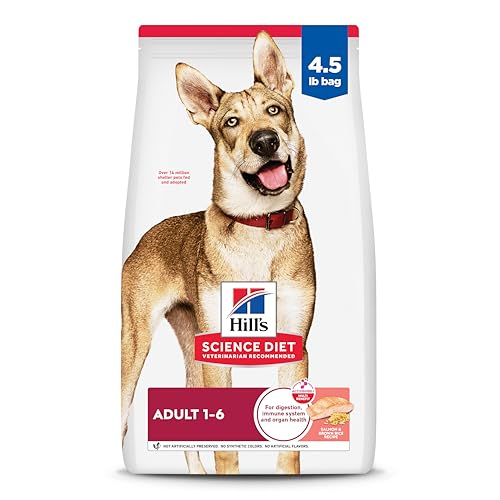
Hill’s Science Diet Adult 1-6 is a premium dry dog food designed for adult dogs aged one to six years, featuring salmon and brown rice. The formula emphasizes high-quality protein for lean muscles, natural fiber for digestion, and omega fatty acids to support skin and coat health. This option is well-suited for dogs that benefit from a balanced, moderate-sodium diet with a focus on digestibility and sustained energy. The included nutrients align with general wellness goals for adult dogs and can be a reliable daily staple in households prioritizing steady nutrition.
Key elements include real salmon as the first ingredient, fiber for gut health, and essential fatty acids for coat condition. This product is appropriate for dogs that tolerate fish flavors and can support dogs needing a steady, balanced energy source. As with any kibble, portion control is essential to maintain a desired weight and health status.
Buying Guide: Key Considerations For Low-Sodium Purchases
When selecting a low-sodium dog food, consider the dog’s age, weight, activity level, and health status. Here are multiple perspectives to help guide decisions:
- Protein quality: Prioritize named animal proteins (e.g., turkey, chicken, salmon) as primary ingredients. Higher protein helps preserve lean mass, especially in active dogs.
- Grain vs. grain-free: Some dogs tolerate grains well, while others benefit from grain-free formulas due to sensitivities. Monitor digestion and energy responses after a switch.
- Sodium content: Compare daily serving recommendations and total daily sodium. Some products are explicitly designed with reduced sodium; others are general-purpose but can be used as part of a controlled diet with vet guidance.
- Digestive health: Look for probiotics, prebiotic fibers, and omega-3/6 fatty acids that support gut health and a healthy skin and coat.
- Life stage and health needs: Puppies, seniors, or dogs with joint or heart concerns may need targeted ingredients like DHA, glucosamine, taurine, or limited ingredients.
- Moisture content: Wet or semi-moist options can aid hydration, particularly for dogs with limited water intake. Balance with overall sodium exposure.
- Feeding guidelines: Start with manufacturer recommendations and adjust based on weight changes, energy, and vet advice. Avoid abrupt diet changes to minimize digestive upset.
- Allergies and sensitivities: For dogs with food sensitivities, consider limited-ingredient lines or single-protein sources, and consult a veterinarian if reactions occur.
In summary, a low-sodium approach combines quality protein, mindful ingredient selection, and portion control. The options listed provide a spectrum from grain-free and high-protein to balanced, veterinarian-endorsed formulas. Always align a chosen product with your dog’s health plan and consult a veterinarian when managing a medically restricted diet or significant dietary changes.