Best Linear UVB Reptile Light for Terrariums
Choosing the right linear UVB light is essential for reptile health, helping with calcium absorption, bone strength, and overall vitality. This guide highlights five reliable linear UVB options that fit standard terrarium setups, from bearded dragons to tortoises. Each product is selected for consistent UVB output, build quality, and ease of installation. Use the quick comparison table below to identify suitable choices, then read detailed sections for performance, safety, and maintenance considerations.
| Product | Brand | UVB Output | Watt / Length | |
|---|---|---|---|---|
| Upgraded T5 UVB Reptile Light | ReptiKing | 10.0 | 8W / 12 inch | German-made lamp; long life; desert species suitable |
| 8W T5 10.0 UVB Fixture | REPTIDLDB | 10.0 | 8W / 12 inch | Low heat; UVB/UVA balance; replaceable bulb |
| 24W T5 UVB Reptile Light Fixture Kit | REPTIDLDB | 10.0 | 24W / 22 inch | High output; long fixture; balanced spectrum |
| 39W T5 10.0 UVB Fixture | REPTIDLDB | 10.0 | 39W / 34 inch | High output, suitable for larger enclosures |
| QZQ T5 UVB Reptile Light Fixture Kit | QZQ | 10.0 | 8W / 12 inch | Detachable cord; safe design; efficient |
ReptiKing Upgraded T5 UVB Reptile Light
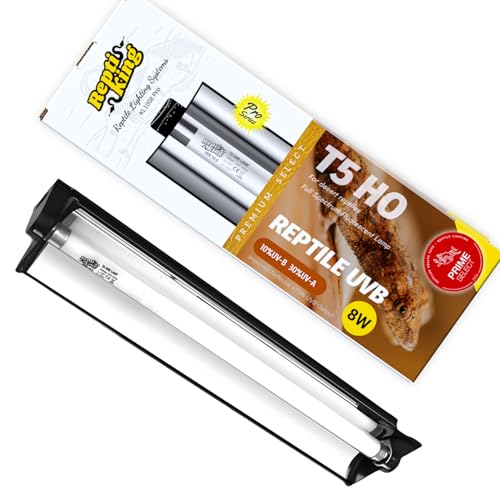
The ReptiKing 8W linear UVB setup is designed for desert-dwelling reptiles and is built with a German-made fluorescent lamp. It delivers a UVB output suitable for basking zones while maintaining a manageable heat profile. This compact fixture is easy to install in various terrarium configurations, including screen cages and wooden vivariums. The lamp life is extended to about a year with upgrades, aligning with typical maintenance cycles for small to medium enclosures.
Key considerations
Consider basking distance and enclosure length when selecting this kit. For terrariums longer than 24 inches, pairing two 8W tubes or using a 24W option may be advised to maintain uniform UVB distribution across the enclosure.
REPTIDLDB 8W T5 10.0 UVB Fixture

The REPTIDLDB 8W fixture includes a UVB 10.0 bulb kit that emits both UVB and UVA for a natural lighting environment. It uses a built-in ballast to minimize flicker and heat, helping maintain stable habitat temperatures. The UVB bulb is replaceable, and the fixture emphasizes low heat output, making it suitable for delicate reptile species requiring steady, non-stressful basking conditions.
Key considerations
This option is well-suited for mid-sized terrariums. Its compact footprint and efficient energy use make it a strong choice for researchers testing UVB needs or households with limited canopy height.
24W T5 UVB Reptile Light Fixture Kit

This 22-inch fixture kit provides a robust 10.0 UVB output with 30% UVA, designed to sustain healthy calcium metabolism and appetite in bearded dragons, lizards, and tortoises. The 24W power rating supports larger enclosures or higher basking zones, with a reflective design to maximize UVB distribution. The system emphasizes a balanced spectrum and minimal heat emission to prevent overheating the habitat.
Key considerations
Ideal for medium to large enclosures or setups where a single fixture must cover a broader basking zone. Monitor UVB penetration at basking sites to ensure consistent exposure throughout the day.
39W T5 10.0 UVB Reptile Light Fixture

The 39W REPTIDLDB fixture offers a longer, more powerful linear UVB option for larger terrariums or species requiring higher UVB exposure. With a high-output 10.0 UVB and a broad coverage profile, it supports desert and tropical setups. The fixture’s design emphasizes heat control, electronic ballast stability, and a durable build to withstand long-term use in open-canopy environments.
Key considerations
Suitable for larger reptiles or open habitats where a single fixture must span a wide basking zone. Ensure mounting height and distance from the basking site align with species-specific UVB recommendations.
QZQ T5 UVB Reptile Light Fixture Kit
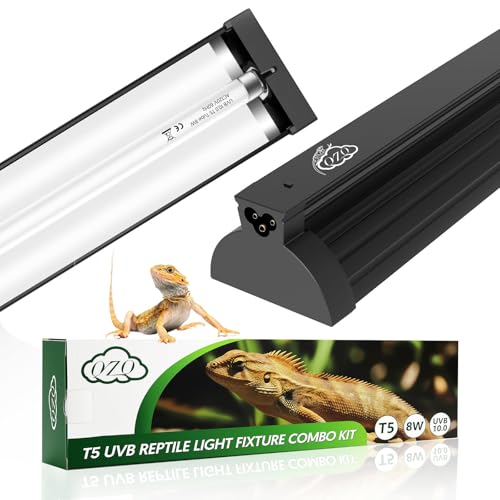
The QZQ kit features a 8W T5 UVB fixture with 10.0 UVB output and 30% UVA. It includes a 5.9-foot detachable power cord, on/off switch, and mounting accessories for easy installation. A curved alloy reflector optimizes UVB distribution, providing a natural sun-like glow and supporting calcium metabolism. The design prioritizes safety with flame-retardant covers and energy efficiency for long-term use.
Key considerations
Consider the included mounting options and cord length when integrating into existing setups. The kit is a strong option for compact enclosures where precise UVB distribution can be achieved with strategic mounting.
Buying Guide: Key Purchase Considerations
- UVB output and spectrum: Prioritize fixtures labeled 10.0 UVB for strong basking zones and adequate Vitamin D3 synthesis. Look for a balance with UVA to support appetite and behavior.
- Fixture length and wattage: Match the fixture length to your enclosure. Longer tanks may require multiple units or higher-wattage tubes to avoid shading UVB.
- Heat management: Reptile enclosures are sensitive to heat. Choose fixtures with low heat emission or built-in heat-sink designs to prevent overheating.
- Ease of installation: Systems with built-in ballasts and simple mounting options reduce setup time and risk of improper installation.
- Bulb replacement: Some fixtures feature replaceable bulbs, which can lower long-term costs. Verify bulb availability and replacement intervals.
- Safety features: Look for flame-retardant end caps and sturdy housings. Ensure the fixture is designed for safe operation in humid terrarium environments.
- Energy efficiency: LED-based UVB options offer longer lifespans and lower maintenance, but traditional T5 fixtures remain cost-effective for many users.
- Maintenance and monitoring: Keep UVB output consistent by scheduling regular bulb checks and keeping reflector surfaces clean for optimal performance.
Choosing a linear UVB reptile light involves balancing enclosure size, basking needs, and long-term maintenance. The selections above offer varied wattages and lengths to fit most popular terrarium configurations, with attention to durable construction and reliable UVB output. Always refer to your reptile species’ care guidelines to determine the appropriate UVB exposure duration and basking distance for safe and healthy housing.