Best Light Options for Snake Tanks: A Practical Guide to Reptile Lighting
The right lighting helps regulate a snake’s metabolism, digestion, and overall well-being. This guide reviews five practical lighting options that suit different snake tank setups, from compact vivariums to larger habitats. It targets keepers seeking reliable heat, UV light, and day/night cycles without complicated setups. Each product is evaluated for who it’s best for and why it was selected, with clear cautions when needed.
| Product | Best For | Key Benefit |
|---|---|---|
| REPTI ZOO 75W Reptile Heat Lamp Bulb Combo | Small to medium tanks; beginners | Dual bulbs for day and night cycle |
| REPTITRIP Dual Reptile Light Fixture | Controlled heat and UVB in larger enclosures | Independent switches for heat and UVB |
| Pawfly 6 W Terrarium Light | Compact setups; budget-friendly | Full spectrum with multiple modes |
| All-around basic lighting | UVB and heat with separate day/night bulbs | |
| Fluker’s Repta-Clamp Lamp | Flexible, larger basking areas | Clamp-based, up to 150W, simple control |
REPTI ZOO 75W Reptile Heat Lamp Bulb Combo

This value combo includes one infrared basking lamp and one UVA daylight reptile lamp. Best for owners who want a simple day/night heating cycle in smaller tanks. The infrared bulb provides ambient warmth without disturbing day/night rhythms, supporting nocturnal activity observation.
Who it’s best for: beginners and budget-conscious keepers needing two versatile heat/coverage options. Why chosen: simple setup, two-purpose bulbs, stable heat source for daily and nightly needs. Caution: lifespan listed as 2000–3000 hours; plan replacements accordingly to maintain consistent heating.
REPTITRIP Dual Reptile Light Fixture

This fixture features two independent switches and a polished interior to maximize light and UVB distribution. It supports bulky bulbs and is suitable for medium-to-large enclosures.
Best for: snake enclosures that require separate control over basking heat and UVB. Why chosen: independent switches enable precise environmental tuning; caution: the fixture is bulb-compatible up to 160W per socket, so verify bulb choice to avoid overloading.
Pawfly 6 W Terrarium Light

This extendable 6 W light kit provides full spectrum with day/night modes, including 6500 K white, blue, and red LEDs. It is suitable for 6″ to 10″ tanks and offers adjustable brightness, mimicking natural sunrise and sunset to support a reptile’s daily rhythm.
Best for: small tanks needing a compact, adjustable light that delivers color-rich illumination. Why chosen: multi-spectrum output supports basic visual health and behavior; caution: small footprint limits heat output, so pairing with a dedicated heat source may be necessary in cooler rooms.
Zoo Med Day & Night Reptile Bulb Combo Pack

Includes a blue heat bulb for daytime viewing and a daylight bulb with UVA rays for well-being, plus a true red glass bulb for nocturnal viewing. This combination supports a straightforward day/night routine and basic behavioral health.
Best for: snake owners seeking a reliable, all-in-one daylight and nocturnal lighting approach. Why chosen: clear division of heat and UV exposure; caution: bulb types may require separate power sources or fixtures for flexibility in larger setups.
Fluker’s Repta-Clamp Lamp
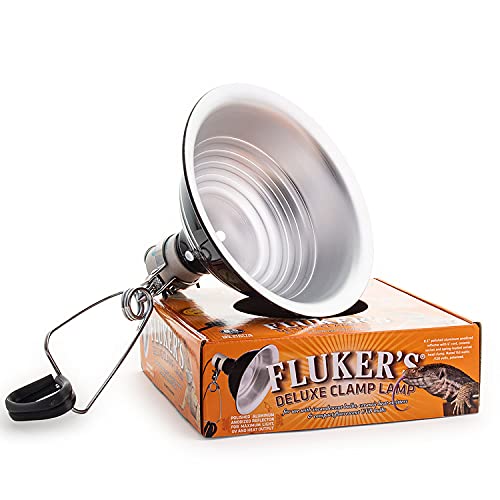
Heavy-duty clamp lamp with an 8.5″ head and up to 150-watt capacity. Its integrated on/off switch and secure clamp design simplify placement on larger enclosures, providing strong basking spot heating.
Best for: snake tanks that need flexible placement and strong, directed heat. Why chosen: high-wattage capability supports larger heat-demand zones; caution: ensure your bulb choice aligns with the fixture’s max rating to avoid overheating.
Buying Guide: Key Considerations for Snake Tank Lighting
Energy type and heat output: Choose heat lamps or ceramic emitters with appropriate wattage for your tank size. For active heat zones, ensure safe mounting and guard against scorch risks.
Day/night cycle needs: A simple day/night transition helps regulate appetite and behavior. Consider bulbs that provide warm visible light along with infrared heat for nocturnal comfort without disruption.
UV exposure: UVB or UVA lighting supports psychological health and basking behavior. If you keep snakes with UVB requirements, select fixtures that distribute UV evenly across the basking area.
Control and maintenance: Independent switches simplify adjustments during routine care. Look for durable clamps, reflective interiors, and easy access to replace bulbs.
Tank size and setup: Larger enclosures benefit from fixtures with higher wattage or dual-bulb configurations. Smaller tanks can rely on compact LEDs or daylight-daylight heating combos.
Safety: Verify compatibility with your enclosure materials, avoid overheating, and use fixtures rated for reptile use. Always follow manufacturer guidelines for any heat source.
Frequently Asked Questions
- What type of light is best for a basic snake enclosure?
- Can I use ordinary household bulbs for snakes?
- How many watts should I use for a small snake tank?
- Is UVB necessary for all snakes?
- How do I set up a day/night cycle?
- What should I watch out for when using a clamp lamp?
For basic needs, a combination pack with a heat bulb for daytime warmth and a separate bulb for UV or daylight can provide sufficient coverage while maintaining a simple setup.
Specialized reptile bulbs are preferred to ensure safe heat and appropriate UV exposure. General bulbs may not deliver consistent heat or proper UV levels.
For small enclosures, 60–75W total heat output is common, but always tailor to your tank’s size, substrate, and ambient room temperature.
UVB is not required for all species, but UVA can support natural behavior and well-being. Check species-specific recommendations and use UV exposure judiciously.
Use one bulb for daytime warmth and another that provides low-level night illumination or a separate night heat source. Schedule transitions with timers where possible to mimic natural cycles.
Ensure the clamp is secure and unable to shift. Avoid contact with substrates and flammable materials, and monitor for heat buildup in enclosed spaces.