Best Layer Pellets for Ducks: Top Pellets for Egg-Laying Flocks
Choosing the right layer pellets for ducks helps optimize egg production, shell quality, and digestive health. This guide targets duck owners seeking balanced nutrition, probiotic support, and practical options for different flock needs. The top picks below cover probiotics, protein levels from 16-18%, organic and soy-free options, and durable bags for storage. Choose based on your ducks’ species mix, preferred feed regimen, and whether you value organic or soy-free ingredients.
Summary table of selected products:
| Product | Best For | Notes |
|---|---|---|
| Manna Pro Duck Layer Pellet | High-protein ducks needing probiotic support | Non-antibiotic formula with probiotics |
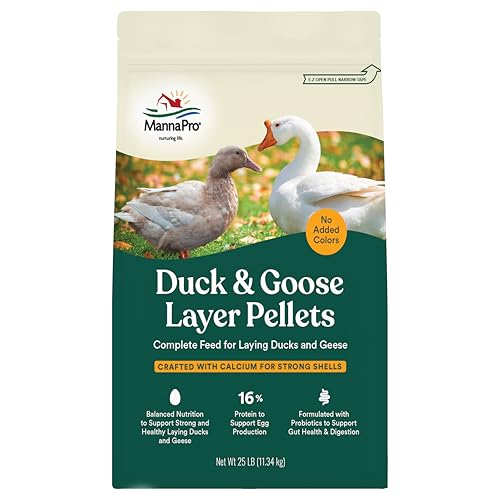
| Manna Pro Duck & Goose Layer Pellets | Ducks and geese in mixed flocks | 16% protein, calcium for strong shells |
| Scratch and Peck Feeds Whole Grain Layer Pellets (Corn-Free, Soy-Free) | Allergy-conscious or organic-minded flocks | 18% protein, USDA Organic & Non-GMO |
| New Country Organics Duck Layer Feed | Organic, soy-free option for backyard flocks | 17% protein, natural niacin |
| Mazuri Waterfowl Layer Food | Duck and goose flocks in ponds/gardens | Niacin-rich, simple formulation |
Manna Pro Duck Layer Pellet
Manna Pro Duck Layer Pellet delivers high-protein nutrition designed to boost egg production while supporting digestive health with probiotics. This formula emphasizes balanced nutrition and non-antibiotic ingredients, making it suitable for duck flocks where probiotic support is desired.
- Best for ducks that need enhanced egg production with gut-friendly probiotics.
- Probiotic-enabled digestion support linked to steady nutrient absorption.
Who it’s best for: Duck keepers seeking a probiotic, high-protein option without antibiotics. Caution: not explicitly labeled as organic or soy-free.
Manna Pro Duck & Goose Layer Pellets

This pellet targets ducks and geese with a 16% protein profile and added minerals to support strong eggshells and reproductive health. It combines digestion-friendly probiotics with nutrients intended to maximize egg production across mixed waterfowl groups.
- Best for mixed-species waterfowl (ducks and geese) in laying cycles.
- Better for laying performance with better shell quality due to calcium enrichment.
Who it’s best for: Flocks including both ducks and geese, or owners prioritizing calcium-rich shells. Limitation: focused on waterfowl; may be less optimized for strictly duck-only flocks compared with single-species formulas.
Scratch and Peck Feeds Whole Grain Layer Pellets (Corn-Free, Soy-Free) 25 lb
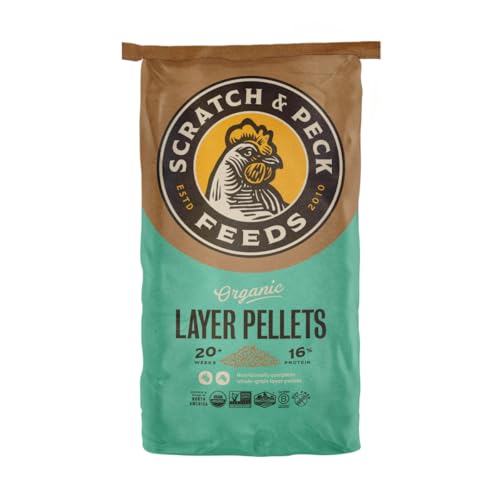
This corn-free, soy-free pellet from Scratch and Peck Feeds emphasizes organic and non-GMO credentials. With 16% protein, it provides clean nutrition for laying ducks and keeps the flock away from common allergens and additives.
- Best for organic-minded or allergen-conscious flocks seeking clean ingredients.
- Choose this if you want USDA Organic and Non-GMO Project Verified credentials.
Who it’s best for: Ducks needing an organic, non-GMO, soy-free option. Caution: contains whole grains; pellet sizes should suit your flock’s beak size and consumption rate.
New Country Organics Duck Layer Feed

New Country Organics offers a soy-free, certified organic duck layer feed with 17% protein. fortified with natural niacin to support bone and wing health, making it a strong option for organic keepers seeking a balanced diet for laying ducks.
- Best for organic, additive-free duck diets that avoid soy.
- Better for flocks where organic certification and non-GMO status matter.
Who it’s best for: Backyard duck keepers prioritizing organic and soy-free nutrition. Caution: larger 40 lb bag may be less convenient for very small flocks or limited storage.
Scratch and Peck Feeds Whole Grain Layer Pellets (Corn-Free, Soy-Free) 25 lb

This 18% protein version from Scratch and Peck Feeds emphasizes whole-food nutrition with corn-free and soy-free ingredients. It carries USDA Organic and Non-GMO Project Certification and avoids fillers and medications.
- Best for flocks seeking robust nutrition from whole foods without soy or corn.
- Because it’s organic and non-GMO, it suits buyers prioritizing certifications and natural diets.
Who it’s best for: Ducks where organic certification, high-quality ingredients, and minimal processing are desired. Caution: cost and availability may vary by region; ensure you have adequate storage space for a 25 lb bag.
Buying Guide
Key considerations when selecting duck layer pellets include protein range, calcium content, probiotic inclusion, and dietary preferences such as organic or soy-free. Consider flock size, the species mix (ducks only or ducks with geese), and storage capacity. Pellets vary in protein from about 16% to 18%; higher protein supports egg production but should be balanced with calcium to prevent shell quality issues. Probiotics can aid digestion and nutrient absorption, which is helpful for younger or transitioning birds. For organic or allergen-conscious flocks, corn-free and soy-free formulas reduce exposure to potential irritants. Always verify that the feed aligns with your management goals, whether that’s maximizing eggs, maintaining shell strength, or meeting organic standards.
Common Questions To Consider
- What protein level is best for laying ducks? – Most duck layer pellets are in the 16–18% protein range; choose based on flock age, productivity goals, and calcium needs.
- Do ducks need probiotics in their feed? – Probiotics support digestive health and may improve nutrient absorption, especially during transitions or stress.
- Should I choose corn-free or soy-free options? – If your flock has dietary sensitivities or you prefer organic/non-GMO feeds, consider corn-free or soy-free formulas.
- What about organic certification? – Organic labels ensure a certain standard of production and ingredient sourcing; verify certifications and bag freshness.
- Is calcium content important for every duck? – Yes, calcium aids eggshell quality; higher calcium is common in laying formulations but ensure balanced ratios with phosphorus.
- How should I store duck pellets? – Store in a cool, dry place in an sealed container to maintain freshness and prevent mold.
Frequently Asked Questions
- Q: Can I feed ducks the same pellets as chickens? A: While similar, duck diets specifically marketed as duck layer pellets better address their unique waterfowl physiology and calcium needs.
- Q: How long does a bag last for a small backyard flock? A: It depends on flock size and daily consumption; calculate based on birds and feed per day to estimate days per bag.
- Q: Are organic options worth the extra cost? A: For flocks prioritized with organic certification and non-GMO ingredients, organic options align with those goals.
- Q: Should I mix pellets with other foods? A: Pellets provide balanced nutrition; supplements or treats should be limited to prevent nutritional imbalances.
- Q: How can I tell if my ducks need a higher calcium formula? A: Monitor eggshell thickness and breakage; persistent weak shells may indicate calcium needs.