Best Hot Spot Creams for Dogs: Fast Relief and Healing
When dogs suffer hot spots, quick, effective relief matters. This guide highlights top dog hot spot creams and ointments, drawing on veterinary-strength ingredients and user-tested results. Explore options that soothe itching, fight infection, and support healing, with clear notes on usage and safety. Each product is evaluated for ease of application, non-toxicity, and overall skin support to help choose the right solution for your pet.
| Product | Brand | Key Benefit | Format |
|---|---|---|---|
| TropiClean HomeVet Medicated Cream | TropiClean | Vet-strength itch relief with chlorhexidine and hydrocortisone | 1 oz |
| Blue Butter Hot Spot Gel | Forticept | Disinfects and promotes healing; reduces irritation | 4 oz |
| HICC PET Hydro Gel | HICC PET | Anti-inflammatory gel with HOCl for infection defense | 3.4 oz |
| Clear Butter Hot Spot Gel | Forticept | Polymer barrier speeds healing and reduces biofilm | 4 oz |
| Veterinary Formula Clinical Care Spray | Veterinary Formula | Easy spray for hot spots; supports skin condition | 8 oz |
TropiClean HomeVet Medicated Cream
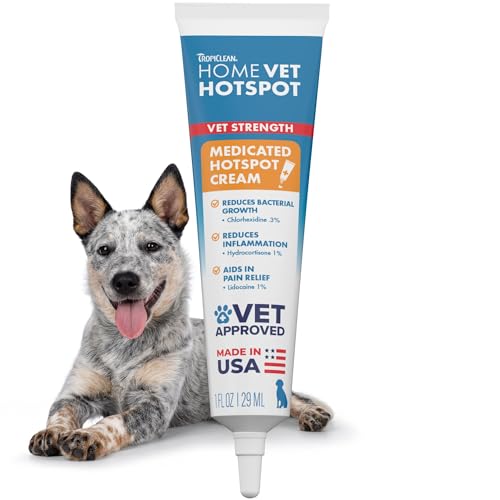
The TropiClean formulation combines vet-strength itch relief with chlorhexidine and hydrocortisone to address itching and inflammation on contact. It is designed to soothe irritated skin from hot spots, bites, and minor wounds while supporting faster recovery. The presence of lidocaine in the first-aid blend helps reduce pain, making it suitable for immediate comfort after application. This option emphasizes a fast-acting response to itching and redness, with a USA-made assurance.
Blue Butter Hot Spot Gel

Blue Butter Hot Spot Gel targets dog skin irritation and itching, offering a first-aid approach for wounds and hot spots. It promotes healing by disinfecting wounds and providing an environment conducive to recovery. The formula is designed for continuous use on affected skin areas and stresses safe, non-toxic use with standard pet-care precautions to prevent licking or scratching. This option is positioned as a broad-spectrum wound care aid for quick symptom relief.
HICC PET Hydro Gel

HICC PET Hydro Gel uses HOCl to promote healing while calming inflammation from hot spots and other skin irritations. This product emphasizes a strong anti-inflammatory effect and infection defense, with a protective gel film that isolates infection sources. It aims to reduce redness and itch quickly, while offering a barrier against irritants. Suitable for open wounds and superficial skin issues, it positions itself as a gentle yet powerful option for first-aid care.
Forticept Clear Butter Hot Spot Gel

Clear Butter Gel combines antiseptic action with polymer barrier technology to combat biofilms and speed wound healing. The product promotes a protective film over irritated skin, reducing moisture loss and protecting the area from contaminants. It is designed to be safe for pets with guidance to prevent licking or scratching, and it emphasizes staying power on the wound area for effective healing.
Veterinary Formula Clinical Care Spray

This medicated spray provides easy application for dogs and cats with hot spots and itchy skin. It supports relief from scratching and licking while promoting a healthy skin and coat between washes. Paraben-free and dye-free, the product emphasizes compatibility with shampoos in a care routine and adds conditioning support with Wheat Germ Oil to keep the coat moisturized during treatment.
Buying Guide
Key factors to consider when choosing a hot spot product for your dog include active ingredients, application method, safety, and whether the product targets both itching and infection. Hydrocortisone or OTC anti-itch agents can provide fast relief for inflammation, but you should balance itch suppression with healing. Antiseptics like chlorhexidine and HOCl help prevent infection and support wound healing. Gel formats often stay in place longer than sprays, reducing licking risk and extending contact time. For wounds or prone areas, a barrier-forming polymer or protective film can speed recovery by limiting exposure to irritants. Always follow label directions and consult a veterinarian for persistent or severe symptoms.
Formulation considerations:
- Topical anti-itch vs. wound-healing focus: Some products emphasize itch relief (hydrocortisone), while others emphasize disinfection and barrier protection (chlorhexidine, HOCl gels).
- Ease of application: Sprays can reach hard-to-reach areas; gels stay in place, reducing licking.
- Safety and tolerance: Look for non-toxic formulas, fragrance-free options, and ingredients appropriate for your pet’s age and skin sensitivity.
- Species range: Most products target dogs; some may be suitable for cats or other small pets—check labeling carefully.
- Usage context: Consider whether you need a quick, short-term relief or a longer-term healing aid to prevent recurrence.
Buying considerations across perspectives:
- Quick relief seekers may prioritize fast-acting anti-itch ingredients and ready-to-use sprays or gels.
- Healing-focused buyers may prefer barrier-forming gels that protect wounds and reduce moisture exposure.
- Safety-conscious owners may opt for non-toxic, dye-free, fragrance-free formulas with clear usage guidelines and veterinary recommendations.
- Cost and convenience balance: Multi-use bottles or combination products can reduce the number of products needed in a first-aid kit.
- Pet-specific factors: Age, skin sensitivity, and risk of licking should guide choice toward long-contact formulations or protective coverings.