Best Fish Food for Aquaponics: Balanced Nutrition for Healthy Water Gardens
Aquaponics blends growing fish with plants, creating a symbiotic ecosystem that relies on careful feeding and water management. Selecting the right fish food is essential to maximize growth, minimize waste, and maintain water quality. The following picks are tailored for small to medium aquaponic systems, emphasizing protein, digestion, and ingredient sources suitable for a diverse range of fish species commonly kept in home setups.
| Product | Brand | Key Benefit |
|---|---|---|
| AquaSprouts Community Formula Fish Food | AquaSprouts | High protein, aquaponics-friendly nutrition |
| Hikari Tropical Semi-Floating Micro Pellets | Hikari | Balanced nutrition for small tropical fish; semi-floating |
| Fluval Bug Bites Tropical Fish Food | Fluval | Contains Black Soldier Fly larvae; rich protein |
| Fluval Bug Bites Bottom Feeder Fish Food | Fluval | Bottom-dwelling formula; aids digestion and algae eaters |
| Aqueon Shrimp Pellets | Aqueon | Bottom-oriented nutrition for shrimp-inclusive tanks |
AquaSprouts Community Formula Fish Food — 0.5mm Pellets

The AquaSprouts Community Formula is designed to support a range of small aquarium fish with high-quality protein and naturally sourced vitamins and minerals. The 0.5mm pellet size is suited for many community fish, promoting efficient digestion and active growth. Its aquaponics-friendly profile makes it a solid choice for water gardens where balanced nutrition reduces waste and supports plant health. This formula emphasizes clean energy sources and easy assimilation, helping to keep nitrate levels manageable in combined fish-plant systems.
TetraBetta Plus Floating Mini Pellets

This formulation targets bettas and other top-water feeding tropical fish. The daily staple contains balanced protein and omega-3 fatty acids to support energy and growth, with natural color enhancers to promote vibrant fins and scales. For aquaponic setups that include smaller, surface-feeding species, this food offers reliable nourishment without excessive sinking that can degrade water quality. The formula’s focus on ease of digestion helps maintain clearer water while supporting a varied tropical community.
Hikari Tropical Semi-Floating Micro Pellets

Hikari Tropical Semi-Floating Micro Pellets are engineered for small tropical fish such as tetras and barbs. The semi-floating design allows for access at multiple tank levels, ensuring all fish receive nutrition. The diet emphasizes premium marine and vegetable proteins, supplying essential energy reserves for species needing consistent feeding. The product’s size and composition suit aquaponic environments with a mix of species, helping to minimize waste while supporting diverse community health.
Tetra PRO PlecoWafers 5.29 Ounces

Designed for bottom feeders, PlecoWafers provide concentrated algae-centered nutrition in sinking wafers. They are ideal for Plecostomus and other algae-eating species common in aquaponics setups where bottom-dwelling fish contribute to nutrient cycling. The all-vegetable composition offers higher fiber and digestibility, complementing more protein-rich upper-level feeds in a balanced feeding plan.
Aqueon Shrimp Pellets
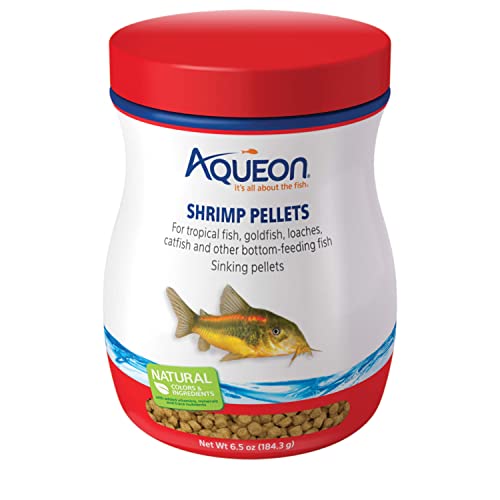
Aqueon Shrimp Pellets are tailored for bottom-dwelling crustaceans and compatible with shrimp-inclusive aquaponic systems. The formula emphasizes ingredients that shrimp naturally gravitate toward, promoting steady intake and reduced waste. It supports active molting cycles and overall vitality without overwhelming the substrate with uneaten material, a critical consideration for water gardens with plant beds.
Fluval Bug Bites Tropical Fish Food

Fluval Bug Bites Tropical Food emphasizes insect protein, bringing a natural and nutrient-dense source to small- to mid-sized tropical fish. The inclusion of Black Soldier Fly larvae as a primary ingredient provides a protein-rich profile with omega fatty acids that support skin and coloration. This feed is suitable for aquaponic systems aiming to reduce waste while maintaining a diverse fish population that includes surface and mid-water feeders.
Fluval Bug Bites Bottom Feeder Fish Food

This bottom-dwelling variant focuses on species that feed near substrates, offering a similar insect-protein blend with a formulation designed for digestive efficiency and nutrient absorption. The product supports bottom-feeder health, aiding in the natural recycling process within an aquaponic system by promoting complete consumption and reducing waste accumulation.
Buying Guide: Key Considerations For Aquaponics Nutrition
Species compatibility and feeding levels
Choose foods that match the primary fish species in your system. Small tropical fish may thrive on micro pellets, while bottom feeders and shrimp benefit from sinking wafers or pellets. In mixed communities, provide a variety of textures and sinking rates to ensure all fish receive adequate nutrition without overfeeding.
Protein quality and digestibility
High-quality protein sources support rapid growth and robust health, but excess protein can lead to elevated waste. Look for feeds with clear protein sources and limited fillers. In aquaponics, proteins that are easier to digest can help keep ammonia and nitrite levels lower, protecting both fish and plants.
Digestive aids and color enhancers
Ingredients like omega-3 fatty acids promote healthy skin and fins, while color enhancers can improve visual appeal of ornamental fish. Balance with plant-friendly, high-fiber ingredients to support digestion in herbivorous and omnivorous species commonly found in aquaponic ecosystems.
Blockage risk and sinking rate
In aquaponics, waste buildup is a concern. Choose a mix of floating, slow-sinking, and sinking foods to minimize uneaten meals. Partial sinking formulas or semi-floating pellets help distribute nutrition across tank levels and reduce substrate waste that can affect water quality.
Allergen considerations and sustainability
Some aquaponics enthusiasts prefer insect-based or plant-based feeds for sustainability and reduced fishmeal content. When available, review ingredient lists for sustainability certifications or transparent sourcing to align with your system’s environmental goals.
Practical feeding regimen
Feed in small, frequent portions rather than a single large feeding. Monitor fish behavior and plant growth to adjust portions. In a balanced system, overfeeding can persistently raise dissolved nutrients, while underfeeding restricts growth and disrupts the nutrient cycle that supports plant production.
By selecting feeds that align with your fish species, system size, and water quality goals, you can optimize growth and minimize waste in your aquaponics setup. The products listed above offer diverse options to accommodate community tanks, bottom feeders, and shrimp-inclusive layouts while maintaining clear water and healthy plant growth.