Best Wireless Dog Fences for Busy Homes and Large Yards
Choosing a reliable wireless dog fence helps keep pets safe while giving them the freedom to explore. This guide reviews five top-rated options, spanning GPS-based systems and traditional wireless setups, to fit backyards, farms, and open spaces. Each pick emphasizes ease of use, boundary accuracy, and humane training features. Below, you’ll find a quick product summary, followed by in-depth sections and a buying guide to help you compare options side by side.
| Product | Brand | Boundary Type | Key Strength |
|---|---|---|---|
| GPS Wireless Dog Fence System | DJNFGQ | GPS Circular and Free-Form | High accuracy; no trenching; two boundary modes |
| PetSafe Wireless Pet Containment System | PetSafe | Circular | Lightweight; simple setup; 5 correction levels |
| TTPet GPS Wireless Dog Fence | TTPet | GPS Fenced Yard | 3rd generation AI GPS for reduced false alarms |
| RunFence Wireless Dog Fence 2 Pack | RunFence | Wireless Fence with Remote Training | Dual training modes; 10 distance levels |
| PATPET GPS Wireless Dog Fence System | PATPET | GPS, Outdoor Use | Wide radius; memory function; multiple training modes |
Note: All products listed prioritize pet safety, humane training, and durability in various weather conditions. Reading the features closely will help match a system to your yard size, terrain, and training needs.
GPS Wireless Dog Fence System (DJNFGQ)

The DJNFGQ GPS wireless system uses satellite signals to define invisible boundaries, offering two distinct modes: a circular fence and a customizable free-form polygon. Unlike buried-wire setups, installation is quick and non-destructive, making it suitable for yards, parks, or farms. The boundary is managed by a GPS collar, and the system adjusts in real time as your dog approaches the set perimeter. This configuration works well for homeowners seeking reliable containment without digging or installing posts.
Two boundary modes provide flexibility: a quick circular boundary with user-defined center and radius from 49 ft to 6,561 ft, and a polygonal outline created by multiple vertices to adapt to irregular terrain. The GPS design aims to minimize dead corners and maximize safety in complex landscapes. The collar is rechargeable and IP-rated for daily use, offering a practical, wire-free solution for active dogs.
Considerations: GPS accuracy depends on satellite visibility and weather; the system requires a clear line of sight to satellites. It’s ideal for larger outdoor spaces and properties with uneven terrain where traditional wireless fences may struggle.
PetSafe Wireless Pet Containment System

The PetSafe Wireless system is a traditional circular boundary solution designed for portability and quick setup. It covers up to half an acre and is particularly suited for smaller to mid-sized yards. The system includes a safe, adjustable boundary and a tone-and-static correction collar with five levels of stimulation. A built-in reentry feature helps pets return to the yard without excessive confusion or stress.
Benefits include a lightweight, travel-friendly design and a straightforward installation timeline. The waterproof collar is suitable for dogs over eight pounds and older than six months, with neck adjustments from 6 to 28 inches. This makes it a practical choice for families who want a dependable, easy-to-use system for a single or small group of pets.
Limitations: The boundary is fixed to a circular area, which may be less adaptable to irregular properties. The system relies on radio signals rather than GPS, so performance can vary with metal structures or terrain features blocking the signal.
TTPet GPS Wireless Dog Fence

The TTPet GPS wireless fence emphasizes AI-driven GPS technology with a focus on reducing false alarms. This system allows a radius-based boundary from 25 to 999 yards, translating to up to 647 acres in open spaces. The fence is designed for outdoor use and relies on GPS signals to determine your dog’s location relative to the boundary, triggering corrections when necessary.
Safety features include a multi-stage corrective sequence, with tones, vibration, and up to five levels of shock, followed by a cooldown period. The goal is to encourage responsible behavior without overstimulation. The device’s precision makes it a strong option for owners with large yards or farms where precise, scalable boundaries matter.
Key considerations: GPS performance may vary with weather or tall structures, and users should ensure proper collar fit and comfort for daily wear. Training should be gradual to help dogs respond positively to boundaries.
RunFence Wireless Dog Fence 2 Pack
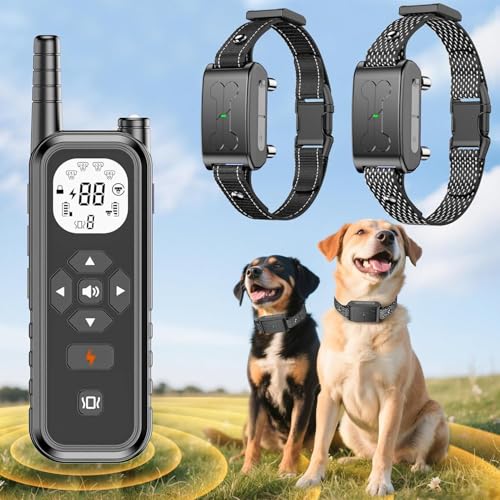
The RunFence system combines a wireless containment solution with a built-in training remote. It offers a range of 30 to 1,300 feet and provides 10 adjustable boundary distances. This 2-pack setup is convenient for households with multiple dogs or for portability between yards. The system includes three training modes (Beep, Vibrate, and Static) with adjustable levels, enabling tailored training that suits different dog temperaments.
IPX7 waterproof collars ensure weather resilience, allowing use in rain or wet conditions. The compact, portable design supports outdoor adventures and travel. A key advantage is the integrated training remote, which enables trainers to reinforce specific behaviors without needing additional devices.
Considerations: The 1,300-foot maximum range is best for moderate to large outdoor spaces. For very large properties, additional systems may be required to achieve full coverage.
PATPET GPS Wireless Dog Fence System

PATPET’s GPS system emphasizes outdoor boundary accuracy with a rugged design suitable for larger yards. It supports a radius range from 33 to 9,999 yards, translating to extensive coverage up to 65,000 acres in expansive properties. The collar includes a memory function to retain boundary settings after power-off, eliminating repetitive setup tasks.
Training modes include No Shock, General Shock, and Enhanced Shock, with a protective mode designed to prevent overstimulation if a dog continues toward the boundary. The GPS-based approach is well-suited for homes with substantial outdoor areas where precise, scalable fences are essential.
Important notes: As with other GPS fences, external factors can influence precision. Proper collar fit and humane training pacing are essential for consistent results and pet well-being.
Buying Guide: Key Considerations And Comparisons
When selecting a wireless dog fence system, consider the following factors to ensure you choose the best fit for your property and pet.
- Boundary type: GPS-based systems offer larger, more flexible boundaries and no buried wires, but rely on satellite signals. Traditional wireless fences are reliable in smaller to mid-sized yards but use radio frequency signals that may be affected by terrain and structures.
- Yard size and terrain: For very large or irregular properties, GPS options or high-range systems are preferable. For compact spaces or travel-friendly setups, a circular wireless system can be ideal.
- Training approach: Look for systems with multiple training modes and adjustable correction levels. Humane training features, such as cooldown periods and tone-only modes, help prevent overstimulation.
- Waterproofing and durability: Weather resistance (IP ratings) is important for collars used outdoors. Confirm that both the collar and receiver are waterproof or water-resistant to your climate.
- Battery life and charging: Rechargeable collars with long battery life minimize maintenance. Check charging time and spare battery options if applicable.
- Ease of setup: Wireless and GPS systems should be easy to install without professional help. Consider whether you need multi-pet support, remote training, or portability for travel between properties.
- Safety certifications and animal welfare: Ensure the device uses humane stimuli and allows you to set appropriate correction levels. Some systems offer protective modes to prevent over-correction.
- Support and warranty: A solid warranty and responsive customer support help resolve issues quickly, especially with GPS-based systems that may require software updates or satellite checks.
In summary, the best choice depends on yard size, terrain, and how hands-on you want to be with boundary setup and training. GPS-based fences excel in large or irregular spaces and provide flexible shaping without digging. Wireless circular fences suit smaller yards and portable use. Multi-dog households may benefit from dual collars and remote training features. Evaluate each system’s boundary capabilities, training options, and weather resilience to match your dog’s needs and your property’s layout.