Best Dry Worms for Birds: Top Picks for Attracting and Nourishing Wild Birds
Dry worms and larvae are popular protein-rich treats that can attract a variety of backyard birds while supporting healthy feathering and egg production. This guide highlights five well-regarded dried worm products, focusing on quality, protein content, and versatility for wild birds, poultry, and small pets. Each entry includes key features to help you compare at a glance.
Buying Guide at a glance:
| Product | Type | Protein Range | Best For |
|---|---|---|---|
| Kaytee Wild Bird Food Mealworms (3.5 oz) | Mealworms | High protein | Bluebirds, wrens, robins, chickadees, woodpeckers, cardinals |
| WORMSKING Dried Mealworms (2 lb) | Mealworms | High protein | Poultry, bluebirds, wild birds |
| I LOVE WORMS Dried Black Soldier Fly Larvae (5 lb) | BSF larvae | Very high calcium and protein | Chickens, wild birds, small animals |
| Kaytee Mealworms (17.6 oz) | Mealworms | High protein | Various wild birds; attractive energy boost |
| Worm Nerd WN59 2 lb Dried Mealworms | Mealworms | High protein and fiber | Chickens, birds, reptiles, fish |
The entries above were selected for broad relevance to bird enthusiasts and pet owners seeking reliable, protein-rich dried worm options. The table summarizes core distinctions to steer your choice toward the right product for your birds and environment.
Kaytee Wild Bird Food Mealworms For Bluebirds And More (3.5 Oz)
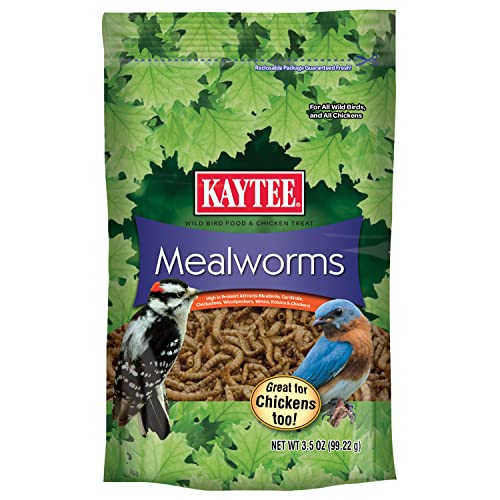
Kaytee Mealworms provide a high-protein food source designed to attract a wide range of wild birds, including bluebirds, wrens, robins, chickadees, woodpeckers, cardinals, and even chickens. The product can be fed alone or mixed with favorite seed blends, offering flexibility for different feeding setups. This classic choice emphasizes energy-dense nutrients that birds need during migration or nesting periods, helping sustain activity and plumage health.
WORMSKING 2LB Dried Mealworms For Poultry And Wild Birds

WORMSKING’s dried mealworms are described as fresh and dust-free, ideal for poultry like chickens and ducks and wild birds such as bluebirds. The product emphasizes non-GMO ingredients, lack of additives, and a balanced nutritional profile designed to bolster immunity, egg quality, and overall vitality across species. It is microwave-dried and veterinary certified, underscoring a focus on safety, convenience, and reliable texture for feeders and mixed diets.
I LOVE WORMS Dried Black Soldier Fly Larvae (5 lb)
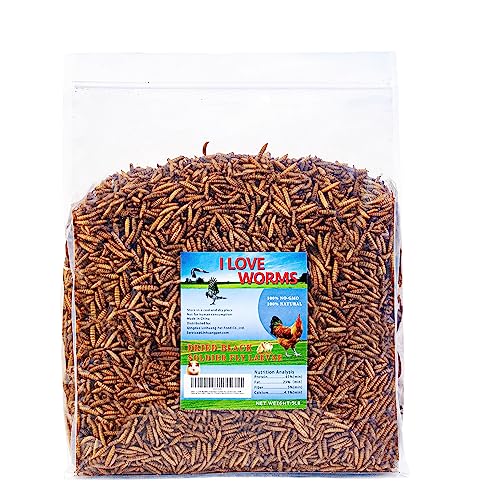
These dried black soldier fly larvae are rich in calcium and protein, offering up to 85 times more calcium than dried mealworms and roughly 41% protein. The product markets itself as a versatile treat suitable for chickens, wild birds, and other small animals, supporting strong eggs, healthy bones, and robust immune systems. Its high calcium content makes it especially appealing to laying hens and birds during molt or reproduction cycles.
Kaytee Wild Bird Food Mealworms For Bluebirds And More (17.6 Oz)

A larger bag option of Kaytee mealworms, this 17.6-ounce size provides an economical supply for households feeding multiple birds or larger feeders. The product retains the same high-protein, energy-dense characteristics that attract bluebirds, wrens, robins, chickadees, woodpeckers, and cardinals. It can be used standalone or mixed with seeds to tailor a feeding regimen to seasonal bird activity and local species diversity.
Worm Nerd WN59 2LB Dried Mealworms

Worm Nerd’s WN59 offers a versatile dried mealworm option designed for a broad audience, including chickens, birds, reptiles, amphibians, and fish. It emphasizes protein content, digestibility, and a palatable texture that supports appetites across species. The product aims to deliver nutrient-dense energy and essential amino acids, promoting consistent feeding behavior and growth in young birds and other small animals.
Buying Guide
Key considerations when choosing dry worms for birds involve species compatibility, nutritional balance, and feeding convenience. Protein content is central for growth, feather health, and egg production, but calcium balance matters for laying birds and chicks during molt. Different formulations—mealworms versus black soldier fly larvae—offer trade-offs in calcium, protein, digestibility, and palatability. For backyard birds, choose products that are dust-free and easy to store, with clear packaging about ingredients and any additives. Consider your flock size, feeder type, and seasonal feeding needs to maximize impact.
Other factors to weigh include:
- Species attraction: Some birds respond better to traditional mealworms, while others prefer nutrient-dense larvae such as BSF.
- Safety and processing: Look for veterinary-approved or feed-safe products with minimal processing and no artificial additives.
- Storage and shelf life: Dry worm products should stay fresh when kept sealed in a cool, dry place.
- Ecological impact: Non-GMO options and responsibly sourced ingredients can align with wildlife-friendly goals.
- Feeding method: Decide whether to feed exclusively in a feeder or mix with seeds to broaden species intake.
For best results, rotate among a few high-protein treats across the season to accommodate changing bird populations and nutritional needs, while monitoring how different species respond to each product. Always ensure fresh water is available and maintain clean feeding areas to support bird health and reduce waste.