Best Aquarium Algae Scraper: Top Glass Tank Cleaners for Clear Water
The right algae scraper keeps glass tanks gleaming without disturbing aquatic life. This guide highlights five reliable options, focusing on stainless steel durability, extendable handles, and blade design that removes buildup efficiently. Each product section covers core features, ease of use, and suitability for fresh or saltwater tanks. Use this overview to compare how different scrapers reach hard-to-clean areas and protect tank integrity over time.
| Product | Brand | Key Benefit |
|---|---|---|
| Kirecoo Algae Scraper | Kirecoo | Long reach, rust-resistant stainless steel blades |
| Pronetcus Algae Scraper | Pronetcus | Replaceable blades and large cleaning head |
| API Algae Scraper (Glass) | API | Extra-long, extra-strong for glass tanks |
| HOTOOLME Algae Scraper | HOTOOLME | 65 cm extendable handle with hollow blade design |
| FL!PPER Flipper Platinum | FL!PPER | Versatile blade design for glass and acrylic |
Kirecoo Glass Algae Scraper

The Kirecoo algae scraper is constructed entirely from stainless steel, offering rust resistance for both saltwater and freshwater tanks. It features blades that cut through stubborn buildup on glass with less scrubbing and a design that reduces hand strain. The handle extends up to 25.6 inches, with an option for a shorter 18.1-inch length. An improved hollow head design promotes water flow, decreasing resistance and easing underwater movement. This tool helps keep glass surfaces clean with minimal effort.
Pronetcus Algae Scraper for Glass

Pronetcus offers a glass-friendly scraper with a large cleaning head and 10 stainless steel blades. The product is designed for both saltwater and freshwater tanks, and blades are replaceable for ongoing durability. The robust blade system ensures thorough cleaning of algae and buildup from aquarium glass, reducing the need for aggressive scrubbing while maintaining glass clarity.
API Algae Scraper For Glass (1-Count)
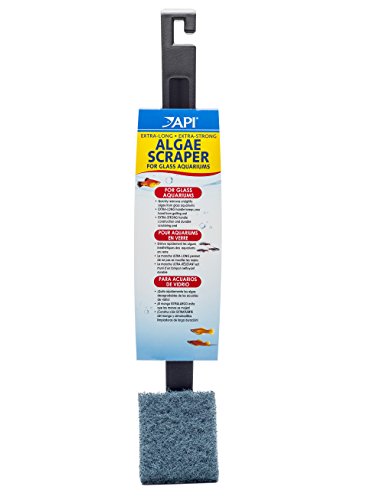
This API scraper provides an extra-long and extra-strong option specifically for glass tanks. It is designed to quickly remove unsightly algae and includes a handle long enough to keep hands dry. The unit emphasizes durability and straightforward scrubbing power, making it a practical choice for routine maintenance of clear glass surfaces.
HOTOOLME 25.6″ Glass Algae Scraper

HOTOOLME combines a long extendable stainless steel handle with a hollow blade design to minimize resistance during cleaning. The blade set includes 10 blades and the tool is suitable for freshwater and seawater tanks. The extendable reach helps clean upper and lower glass surfaces, preventing heavy scrapes while keeping tank maintenance efficient and thorough.
FL!PPER Flipper Platinum Algae Scraper

FL!PPER’s scraper is designed for both glass and acrylic tanks, featuring a serrated blade capable of efficient algae removal without scratching. It supports an extended reach for hard-to-reach spots and encourages an eco-friendly approach by enabling the use of alternative blade materials. The design aims to streamline routine tank maintenance with versatile blade options and a sturdy build.
Buying Guide: Key Purchase Considerations
When choosing an aquarium algae scraper, consider the following:
- Material and durability: Stainless steel options resist rust in mixed water conditions. Look for corrosion resistance for long-term use.
- Blade design and replacement: Replaceable blades extend tool life; check blade type (straight vs. serrated) and compatibility with glass or acrylic tanks.
- Handle reach and comfort: Extendable handles help access high areas and reduce water spillage. A hollow or streamlined head minimizes resistance underwater.
- Tank compatibility: Some scrapers perform better on glass, others on acrylic. Verify suitability for your tank material and size.
- Maintenance and storage: Dry the tool after use to prevent rust; store in a dry place to extend life.
For users with varied tank setups, consider models offering adjustable lengths and multiple blade configurations. Balanced weight, smooth operation, and minimal risk of scratching are critical for preserving tank clarity while maintaining a clean habitat for fish and plants.