Best Pellet Foods for Quaker Parrots: Balanced Nutrition for Your Feathered Friend
Choosing the right pellet-based diet for a Quaker parrot supports feather quality, energy, and overall health. This guide highlights five pellet-forward options that pair with fresh produce and treats for a well-rounded daily routine. Each product below is evaluated for nutrition, texture, and suitability for medium-sized parrots like Quakers.
Summary of selected products
| Product | Brand | Type | Highlights |
|---|---|---|---|
| Enrichment Food For Small Parrots | Hari | Pellet mix with fruits & veggies | Fortified Tropican granules, varied textures |
| Smart Selects Pellets & Seed Blend | ZuPreem | Pellets + seeds | Vital nutrients, stimulating variety |
| Premium Parrot Food | KikiBirds | Protein-rich blend | Low fat, no corn/soy/peanuts |
| Natural Bird Pellets | ZuPreem | Pellets | Multigrain formula, added vitamins |
| Parrot Food Pellets Hookbills | TOP’s Parrot Food | Non-GMO pellets | Rosemary & citrus preserved |
Hari Hagen Tropimix Enrichment Food For Small Parrots
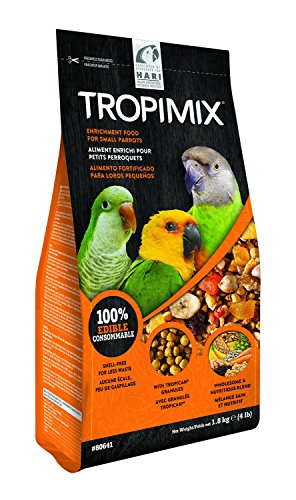
Hari Tropimix Enrichment Food for Small Parrots combines seeds, fruits, nuts, vegetables, grains, and Tropican granules. This premium mix is fortified with vitamins, minerals, and amino acids to support health, vibrant feathers, and strong bones. It helps transition birds away from seed-heavy diets toward more complete nutrition, with ingredients that are 100% edible and suitable for serving dry or moistened. The blend provides a variety of shapes and textures to engage a Quaker parrot during mealtime.
ZuPreem Smart Selects Pellets & Seed Blend

This daily food blend targets medium birds such as Quakers, cockatiels, and lovebirds with a smart mix of pellets, seeds, vegetables, and fruit. The design supports essential nutrition while providing varied textures to keep a Quaker engaged. It emphasizes cardiovascular and feather health with fortified vitamins and minerals, helping to maintain energy and wellbeing in a balanced routine.
KikiBirds Premium Parrot Food

KikiBirds Premium Parrot Food emphasizes protein-rich, low-fat nutrition with 16% protein and 7% fat. The mix supports feather growth and muscle health while avoiding corn, soy, and peanuts. The formulation promotes natural foraging by including husked seeds that encourage cracking and pecking. It also features omega-3 fatty acids and B vitamins from flaxseed, hemp, and whole grains to support skin, feather quality, and immune function.
ZuPreem Natural Bird Pellets

ZuPreem Natural Bird Pellets provide a healthy, complete diet suitable for medium to large parrots that prefer pellet textures. Made with a natural multigrain formula and added vitamins and minerals, this feed aims to support overall health without artificial colors or flavors. It is veterinarian-recommended for daily feeding, offering a balanced base to complement fresh produce and enrichment treats.
ZuPreem Pure Fun Bird Food

ZuPreem Pure Fun provides enrichment through a seed-and-pellet blend designed for medium birds. It uses real ingredients like dried pineapple, carrots, apples, safflower seeds, and ground corn to deliver natural variety and nutrients. It is intended to support daily nutrition while adding engaging textures for playfully curious Quaker parrots.
TOP’s Parrot Food Pellets Hookbills

TOP’s Parrot Food Pellets Hookbills is a non-GMO, corn-free diet designed for small to large parrots, including Quakers. This USDA Organic Certified blend emphasizes complete nutrition with essential vitamins, minerals, amino acids, and natural preservatives from rosemary and citrus peel. It aims to reduce waste by using appropriately sized pellets that fit a parrot’s eating habits while maintaining a balanced nutrient profile.
Buying Guide: Key Purchase Considerations
When selecting pellet-based diets for Quaker parrots, consider nutritional balance, pellet format, and compatibility with fresh produce. Look for products with a clear multigrain base, fortified vitamins and minerals, and minimal artificial additives. For Quakers, a mix strategy can work well: pellets as the primary base with controlled servings of seeds, fruits, and vegetables. Texture variety helps with foraging and beak health, while ingredient lists away from corn-heavy or peanut-rich blends may suit sensitive birds.
- Nutritional balance: Choose pellets that provide protein, fats, fiber, and micronutrients appropriate for a medium-sized parrot.
- Ingredient quality: Favor natural grains, seeds, and fruits; avoid excessive artificial colors and flavors.
- Texture and enrichment: Pellets that break cleanly and pair with varied textures stimulate natural foraging and reduce boredom.
- Seed content: If seeds are included, ensure they are not the predominant ingredient to prevent diet imbalance.
- Portion control: Provide measured portions and monitor waste to adjust servings as needed.
- Allergies and sensitivities: Check for potential allergens and avoid ingredients your parrot should avoid.
Comparative considerations
Pellet-focused options from ZuPreem and Hari offer comprehensive nutrition with different emphasis. ZuPreem products typically integrate a balanced pellet-plus-seed approach with vitamins, while Hari blends often highlight enrichment and transition benefits. For Quaker parrots, half to two-thirds of daily calories from pellets with the remainder from fresh produce and safe treats generally works well. Always introduce new diets gradually to minimize dietary upset.
Each product listed above provides a distinct approach: some prioritize high protein and low fat, others emphasize natural ingredients and enrichment. The best choice depends on your bird’s age, activity level, molt status, and any dietary restrictions. Pair whichever pellet foundation you select with fresh greens, a variety of fruits, and safe chew items to foster a holistic feeding routine.