Best Media for Canister Filter: Top Chemical, Biological, and Mechanical Options
Choosing the right media for a canister filter is essential for keeping your aquarium water clear, healthy, and balanced. The following selections cover chemical, biological, and mechanical filtration needs, helping you tailor a filtration strategy to your tank’s inhabitants and setup. Each product below is compatible with common Fluval and other canister filters, making it easy to upgrade or customize your filtration system.
| Product | Media Type | Key Benefit |
|---|---|---|
| Fluval Zeo-Carb | Chemical Filter Media | Zeo-Carb combines carbon with ammonia-removing properties for clearer water. |
| Fluval ClearMax Phosphate Remover | Chemical Filter Media | Absorbs phosphate, nitrite, and nitrate to reduce odors and discoloration. |
| Fluval BioMax | Biological Filter Media | Supports beneficial bacteria for ammonia and nitrate control. |
| Fluval Carbon Filter Media | Chemical Filter Media | Premium carbon for odor and discoloration removal; caution with medications. |
| Sukh Ceramic Rings | Biological Filter Media | Porous ceramic structure provides ample surface area for biofiltration. |
Fluval Zeo-Carb: Chemical Media For Freshwater Tanks

Fluval Zeo-Carb is a dual-action chemical filter media designed to remove impurities, odors, and discoloration while actively reducing toxic ammonia. This 150-gram nylon bag format fits a wide range of Fluval canister filters and similar setups, including 106, 206, 306, 406, FX series, and more. The media blends Zeolite, carbon, and ammonia-removing properties to provide rapid water clarification and a stabilized environment for fish and plants. Use Zeo-Carb as part of a regular maintenance routine to sustain color-free, odor-free water in freshwater aquariums.
Principle benefits include water clarification and odor reduction, with an emphasis on ammonia removal to support a healthier nitrogen cycle. Practical compatibility with many Fluval models means you can upgrade filtration without changing canister hardware. As with any chemical media, avoid using Zeo-Carb during medicated treatments unless directed, and rinse before initial use to minimize dust and particles that could cloud water. This media suits mixed community tanks or tanks with sensitive species needing stable water parameters.
Fluval ClearMax Phosphate Remover: Crystal-Clear Water
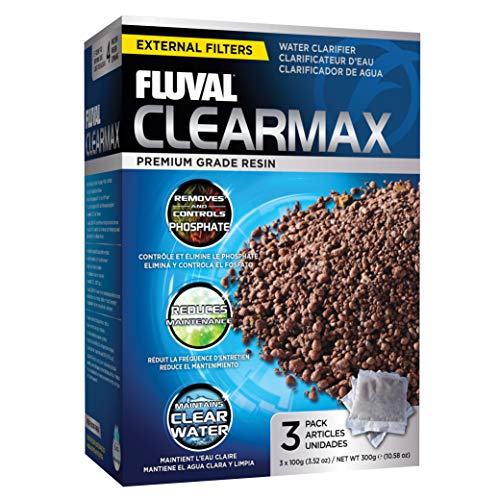
ClearMax Phosphate Remover targets phosphate, nitrite, and nitrate to help maintain crystal-clear water and reduce common tank odors. The 100-gram nylon bag is designed for compatibility with Fluval Series Canister Filters, including 06, 07, FX lines, and more. By lowering excess phosphates, ClearMax helps prevent algae blooms while supporting a healthier environment for both fish and aquatic plants. Regular use can simplify routine maintenance, especially in planted or high-bioload tanks.
When integrating phosphate-removing media, consider balancing with biological filtration to avoid sudden shifts in water chemistry. Understand that phosphate removal can influence nutrient availability for plants, so monitor plant growth and color after introducing ClearMax. As with all chemical media, follow manufacturer guidance on replacement intervals and avoid combining with other media unless specified, to maintain flow and filtration efficiency. This media is a practical choice for tanks prone to cloudy water or lingering odors caused by high nutrient levels.
Fluval BioMax Biological Filter Media
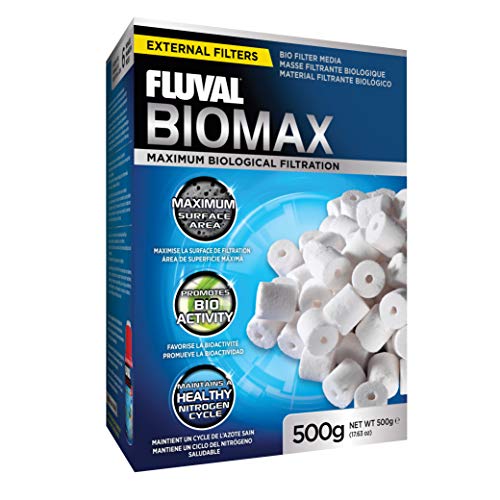
BioMax is a high-grade biological filter media designed to deliver superior control of ammonia and nitrate through robust bacterial colonization. Compatible with Fluval filter series such as 106, 206, 306, 406, FX5, FX6, and related models, BioMax features a porous, open structure that maximizes contact time as water passes through. This facilitates efficient nitrification and stabilization of the nitrogen cycle, supporting crystal-clear water for both fish and aquatic plants.
In practice, BioMax works best when paired with mechanical and chemical media to address debris and dissolved compounds. The media’s porous design encourages long-term bacterial growth, but it requires periodic cleaning to remove trapped debris without dislodging beneficial colonies. When used alongside carbon or phosphate removers, allow adequate rinse times and maintain proper filter flow to prevent clogging and oxygen limitation for the biofilm.
Fluval Carbon Filter Media: Premium Carbon Inserts
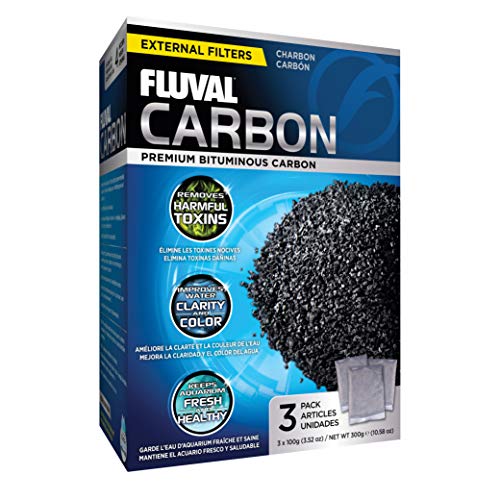
Fluval Carbon Filter Media uses premium, low-ash bituminous carbon with a large surface area to efficiently absorb impurities, odors, and discoloration. The 100-gram nylon bags (3-pack) fit Fluval 106, 206, 306, 406, FX5, and other compatible canister filters. Carbon media is a versatile choice for tanks where quick water clarity is desired or where odors from feeding, substrate, or decaying matter occasionally linger. A note from manufacturers: carbon is most effective when not used during medicated treatments and should be removed during certain plant or fish-care procedures.
To maximize results, replace carbon media as part of a regular maintenance schedule and pair with a biological media to sustain a stable nitrogen cycle. The media’s porous surface enables rapid adsorption, but effectiveness diminishes as the pores fill with pollutants. Ensure you maintain adequate water flow through the canister to prevent channeling and ensure even distribution of contaminants across the media bed.
Sukh Ceramic Rings: Bio Ceramic Media Balls
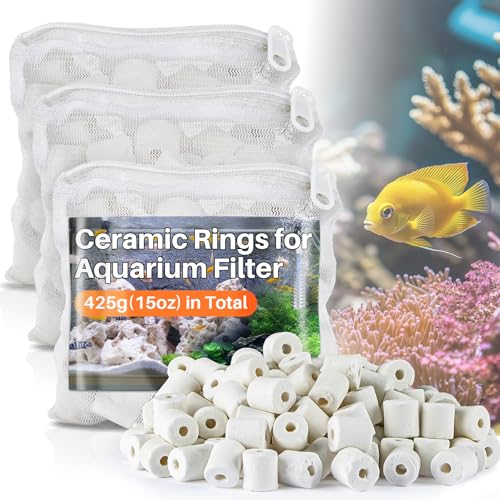
Sukh Ceramic Rings provide a porous, inert filtration medium designed to support biological filtration while remaining chemically stable. The pack includes three mesh bags and 425 grams of ceramic rings, suitable for freshwater and saltwater aquariums, ponds, and canister setups. The design enhances surface area for beneficial bacteria to colonize, promoting a stable nitrogen cycle and clearer water. Ceramic rings also help maintain consistent water parameters without altering pH or hardness significantly, making them a versatile option for mixed tanks.
These rings are particularly effective when used as part of a layered filtration approach, combining with mechanical media to trap debris and chemical media to manage dissolved compounds. The media’s robustness makes it a reliable long-term option, though regular rinsing is advised to remove dust and debris before adding to your filter. For best results, place them in a dedicated bio-media chamber to ensure proper water flow and oxygenation through the bed.
Buying Guide: Key Purchase Considerations For Canister Filter Media
- Filtration goals: Decide whether you need mechanical clarity, chemical purification, or enhanced biological filtration. A balanced combination often yields the best results for mixed tanks.
- Tank inhabitants: High-bioload tanks (heavy feeding, many fish, or live plants) benefit from robust biological media alongside chemical media to stabilize ammonia and nitrate levels.
- Filter compatibility: Verify media compatibility with your canister model. Some packs are designed for Fluval series, while others work across multiple brands. Ensure correct fit and flow.
- Maintenance cadence: Chemical media typically requires more frequent replacement than biological media. Plan maintenance around your tank’s bioload and water parameters.
- Medication considerations: Some carbon media should be removed during medication treatments to prevent adsorbent loss of treatment compounds and to avoid interfering with the therapeutic process.
- Water chemistry impact: Biological media increases beneficial bacteria but may require routine monitoring of ammonia, nitrite, and nitrate. Consider test kits to track changes after media changes.
- Flow and residence time: The efficiency of media depends on proper water flow through the bed. Avoid channeling by distributing media evenly and maintaining clean canister components.
- Longevity and replacement: Biological media tends to last longer, while chemical media has a finite adsorption capacity. Plan a replacement schedule to maintain filtration efficiency.
- Plant considerations: If you keep live plants, be mindful of media that adsorb nutrients, which could limit available fertilizers. Balance carbon use with plant needs.