Best Cat Food for Hyperthyroidism: Top Options for Thyroid Support in Cats
Choosing the right cat food when a feline has hyperthyroidism involves selecting products that support thyroid health while maintaining appetite and overall well-being. This guide highlights five relevant options, including prescription thyroid diets and holistic supplements, to help caregivers compare available choices. Each product is evaluated based on active ingredients, diet type, and practical considerations for daily feeding and long-term management. This overview aims to present objective information to assist informed decisions for American households caring for thyroid-affected cats.
Summary of selected products:
| Product | Brand | Type | Format | Notes |
|---|---|---|---|---|
| Hill’s Prescription Diet y/d Thyroid Care Dry Cat Food | Hill’s Prescription Diet | Prescription Diet | Dry | |
| Hill’s Prescription Diet y/d Thyroid Care Dry Cat Food (8.5 lb) | Hill’s Prescription Diet | Prescription Diet | Dry | |
| Hill’s Prescription Diet y/d Thyroid Care Wet Cat Food – Chicken | Hill’s Prescription Diet | Prescription Diet | Wet (canned) | |
| Pet Wellbeing Thyroid Support Gold for Cats | Pet Wellbeing | Herbal/Holistic | Liquid | |
| Thyroid Support for Cats – Herbal Formula with Bugleweed & Lemon Balm | Nexalorithu | Herbal Supplement | Liquid/gel format |
Hill’s Prescription Diet y/d Thyroid Care Dry Cat Food

Hill’s y/d Thyroid Care Dry Cat Food is designed to address an overactive thyroid with a highly controlled nutrient profile. It is the only clinically proven nutrition shown to decrease thyroid hormone production when used as the sole source of nutrition. For effectiveness, long-term exclusive feeding is recommended. The formula features controlled phosphorus and reduced sodium with omega-3 fatty acids from fish oil to support kidney and heart health.
Hill’s Prescription Diet y/d Thyroid Care Dry Cat Food (8.5 lb)

This larger bag retains the same thyroid-support formulation as the standard dry version, offering a practical option for households feeding multiple cats or seeking longer-term use. As with the dry version, exclusive feeding is essential to achieving the clinical benefits of thyroid hormone reduction. Nutritionally, the food maintains renal and cardiovascular considerations with reduced phosphorus and sodium along with omega-3s.
Hill’s Prescription Diet y/d Thyroid Care Wet Cat Food – Chicken
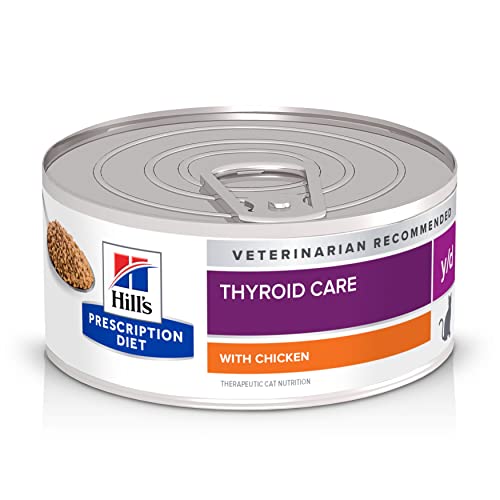
Wet y/d Thyroid Care provides an alternative texture while delivering the same thyroid-harmonizing nutrition. Canned formulas may improve palatability for cats that prefer moisture-rich meals, aiding appetite while supporting thyroid management. As with other y/d products, consistency and exclusive long-term feeding are critical for maximizing efficacy.
Pet Wellbeing Thyroid Support Gold for Cats

Pet Wellbeing Thyroid Support Gold is a holistic option that combines traditional herbs with targeted endocrine support. Bugleweed and Lemon Balm are included to help maintain normal thyroid hormone levels and support metabolic balance. The product is NASC certified and vet-formulated, reflecting a focus on safety, digestibility, and long-term wellness alongside standard care.
Thyroid Support for Cats – Herbal Formula with Bugleweed & Lemon Balm

This product emphasizes a gentle, herbal approach to supporting thyroid balance in cats. The formula may help stabilize metabolic rhythm and appetite, providing a natural alternative or complement to prescription diets. It is designed for caregivers seeking a non-pharmacologic option, with attention to potential interactions and gradual, monitored use.
Buying Guide: Key Considerations For Thyroid-Healthy Cats
When managing feline hyperthyroidism, pet guardians should weigh several factors to select the best option for their cat’s health and routine:
- Prescription vs. holistic approach: Prescription diets like y/d are clinically studied to reduce thyroid hormone production when fed exclusively. Holistic supplements may support thyroid function but should be used under veterinary guidance, especially alongside prescription therapy.
- Texture and palatability: Some cats prefer dry kibble, others favor wet food or semi-liquid formulas. If a cat is a picky eater, a moist option or a flavor switch may improve intake while maintaining clinical goals.
- Nutrient balance: Monitor phosphorus, sodium, and omega-3 fatty acids, which influence kidney and heart health. Some cats with thyroid disease also have concurrent kidney concerns, so balanced nutrition is essential.
- Long-term feasibility: Exclusive feeding of a single product is crucial for clinical outcomes in prescription diets. Consider cost, storage, and appetite consistency when planning long-term management.
- Vet collaboration: Regular veterinary supervision is important to track thyroid hormone levels, kidney function, and overall wellness. Some cats may require adjustments or combination therapies over time.
- Quality and safety: Look for NASC certification or veterinary formulation credentials when evaluating herbal or supplementary products. Ensure ingredients are appropriate for felines and do not include harmful additives.
In summary, the best choice depends on the cat’s medical status, diet tolerance, and the caregiver’s ability to maintain a structured feeding plan. Prescription diets provide a targeted approach with established evidence, while herbal and holistic options may serve as supportive measures or alternatives for owners seeking non-prescription routes.