Best Bedding Options for Leopard Geckos to Ensure Comfort and Health 2025
Choosing the right bedding for your leopard gecko is essential for their health, comfort, and well-being. The ideal substrate should maintain proper humidity, be safe against ingestion risks, and support natural behaviors like burrowing. Below is a comparison table summarizing the top bedding products designed specifically with leopard geckos and similar reptiles in mind.
| Product | Type | Key Features | Best For |
|---|---|---|---|
| Halatool Coconut Fiber Substrate | Natural Coconut Fiber | Optimizes humidity, natural odor control, eco-friendly | Leopard geckos needing moisture & burrowing substrate |
| Sukh Sphagnum Moss | Dried Peat Moss | High moisture retention, hiding spots, natural shedding aid | Humidity-loving reptiles and naturalistic enclosures |
| Duedusto Non-Adhesive Reptile Carpet | Reptile Carpet | Easy clean, waterproof, non-abrasive, slip-resistant | Owners seeking reusable, hygienic substrate alternatives |
| TCYPUHL Reptile Carpet (2 Pack) | Thicker Reptile Mat | Easy to clean, cut to size, durable, comfortable surface | Flexible carpet flooring for various terrarium sizes |
| Bio Dude Terra Sahara Bioactive Substrate | Desert Bioactive Mix | Low humidity, bio-balanced, plant-friendly, suitable for deserts | Desert terrariums and bioactive setups for leopard geckos |
Halatool Natural Coconut Fiber Substrate for Leopard Geckos

This coconut fiber substrate comes as two compact bricks that easily hydrate to fill a 4.2-gallon terrarium. Made from organic coconut husk fiber, this bedding offers a clean, dirt-free environment safe for sensitive reptiles like leopard geckos. The substrate optimizes enclosure humidity levels (60-80%), crucial for healthy shedding and preventing excessive dryness. Its fibrous nature facilitates excellent airflow, reducing belly scale abrasions and promoting natural burrowing behavior.
Additionally, this bedding excels at waste control and odor reduction by naturally breaking down organic matter through superior absorption. This reduces cleaning frequency while maintaining a fresh habitat.
Sukh Sphagnum Moss for Reptile Habitat Bedding

Sphagnum moss is an excellent choice for reptiles needing higher humidity environments. Its high absorbency retains moisture effectively, stabilizing humidity in terrariums for extended periods. This aids reptiles like leopard geckos in natural behaviors such as burrowing and egg-laying, while also facilitating easier shedding.
Moss also creates natural hiding spots and soft nesting surfaces. It is best used in combination with other substrates for species like snakes or turtles, enhancing overall habitat complexity.
Duedusto Non-Adhesive Reptile Carpet Bedding

This reptile carpet offers a practical and reusable alternative to loose substrates. It is made from waterproof, easy-to-clean materials that do not absorb waste, allowing quick spot cleaning. Its non-adhesive, soft texture protects delicate reptile paws and bellies, while a textured surface prevents slipping and injuries.
Ideal for handlers prioritizing hygiene and ease of maintenance, this carpet suits leopard geckos, snakes, lizards, and tortoises alike.
TCYPUHL Reptile Carpet Mat for Leopard Gecko Enclosures

Designed for versatility, this reptile mat measures 18″ x 79″ and can be trimmed to fit custom terrarium shapes and sizes. Made from durable and thicker materials, it provides a secure, comfortable walking and resting surface. It cleans easily by wiping or rinsing, making maintenance simple.
The textured surface promotes safety by preventing slips while offering a cushioned pad for leopard geckos and other reptiles.
Bio Dude Terra Sahara Bioactive Reptile Substrate
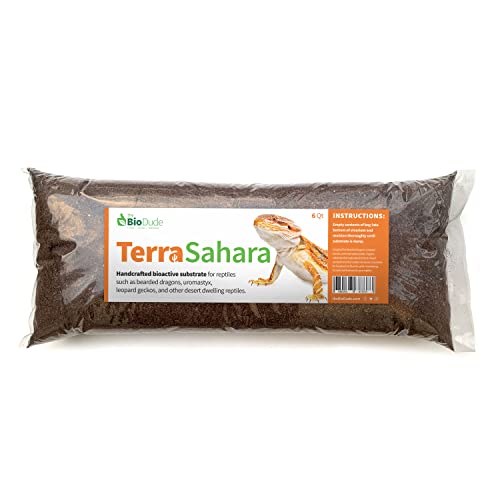
This bioactive desert substrate is specifically formulated to maintain a dry environment suitable for desert-dwelling reptiles like leopard geckos and bearded dragons. It supports desert plants such as succulents and cacti, enhancing the aesthetic and natural ecosystem of the habitat. The substrate ensures proper water balance without raising humidity, which is critical for desert species.
Its biobalanced mix encourages a healthy living environment over the lifespan of your pet, reducing the need for frequent substrate changes.
Buying Guide: Key Considerations for Leopard Gecko Bedding
Selecting the best bedding for leopard geckos involves multiple factors to promote both environmental health and reptile welfare.
Humidity Control
Leopard geckos require moderate humidity, ideally between 40-60%, with slightly higher localized humidity (around 60-80%) in shedding areas. Substrates like coconut fiber and sphagnum moss help retain moisture without causing excessive dampness, reducing the risk of respiratory issues.
Safety and Ingestion Risk
Loose substrates such as sand or small particles can be accidentally ingested, leading to impaction. Opting for safe materials like reptile carpets or coconut fiber blocks minimizes this risk while providing comfort.
Natural Behavior Support
Substrates that encourage burrowing and hiding help replicate natural environments. Materials like coconut fiber and moss facilitate these instincts, enhancing mental stimulation and stress reduction.
Ease of Cleaning
Hygiene is paramount for reptile health. Choosing substrates that are easy to spot-clean or washable, like reptile carpets, can dramatically reduce maintenance time and prevent odors or bacterial buildup.
Durability and Reusability
Reusable bedding options like reptile carpets offer economical and environmentally friendly solutions compared to disposable loose substrates. Consider mats that can be rinsed and dried quickly for repeated use.
Compatibility with Enclosure Setup
For bioactive terrariums, select substrates that support beneficial plants and microorganisms while maintaining the appropriate moisture balance. Desert mixes like Bio Dude Terra Sahara are suited for desert-themed setups, whereas moss-rich substrates fit tropical or semi-tropical enclosures.
Temperature Considerations
Substrates that absorb and retain heat, such as the grey reptile carpet options, can aid in maintaining optimal temperature gradients important for leopard gecko thermoregulation.
Assessing these factors aligned with your pet’s specific needs and enclosure conditions will guide you to the ideal bedding choice, ensuring a safe, healthy, and comfortable habitat for your leopard gecko.