Best Bio Ball Filter Media for Ponds and Aquariums: Top Picks and Buying Guide
You’re looking for reliable bio filter media to boost beneficial bacteria in ponds or tanks. This guide highlights five strong options that balance surface area, flow, and maintenance. It’s ideal for pond keepers, freshwater hobbyists, and canister filter users seeking steady biological filtration.
Overview of selected products:
- Aquatic Experts 1.5″ Large Bio Balls for Ponds – 100 Count + Mesh Bag
- Aquarium Masters 300 Count 1.5 Inch Large Bio Balls – Mesh Bag Included
- Sukh Ceramic Bio Balls – Fish Tank Spheres
- Marineland Bio-Filter Balls – 90 Count
- Fluval BioMax Biological Filter Media – 500 g
Aquatic Experts 1.5″ Large Bio Balls for Ponds

Best for medium to large outdoor ponds and water features. These oversized 1.5″ bio balls provide ample surface area for beneficial bacteria, helping break down waste in high-flow systems. A 100-count package treats up to 330 gallons when used at the standard 30 balls per 100 gallons.
Why it’s chosen: The open spine design reduces clogging, supporting consistent filtration in waterfalls and pond filters. Best for pond owners seeking low-maintenance media with reliable performance in outdoor environments.
Who it’s for: Ideal for hobbyists with medium ponds or feature filters who want straightforward installation and predictable maintenance. Caution: Debris can accumulate over time if the system flow is low, so periodic inspection is advised.
Aquarium Masters 300 Count 1.5 Inch Bio Balls

Best for versatile setups that require a large quantity of bio balls. The 300-count bag fits many filter sizes and can be placed loose or in a mesh bag for flexible installation. They offer high surface area with a spine-like structure to help debris pass through.
Why it’s chosen: Superior surface area promotes rapid bacterial colonization, supporting quick stabilization after filter maintenance or upgrades. Best for users who want a bulk option with easy handling.
Who it’s for: Suitable for larger canister filters and multi-bay setups. Caution: Some users report needing to rinse before first use to remove residual dust from manufacturing.
Sukh Ceramic Bio Balls

Best for freshwater and mixed setups that benefit from inert ceramic media. These bio balls provide mechanical filtration assistance and support biological filtration without altering pH. Their open structure encourages water movement and oxygen exchange.
Why it’s chosen: The inert quartz/ceramic composition helps preserve water parameters while boosting filtration efficiency. Best for hobbyists who want stable chemistry alongside enhanced bio-filtration.
Who it’s for: Suitable for tanks, ponds, and sumps that require robust bio media without reactive chemical components. Caution: Ceramic materials can be heavier, so plan for secure placement in larger canister designs.
Fluval BioMax Biological Media
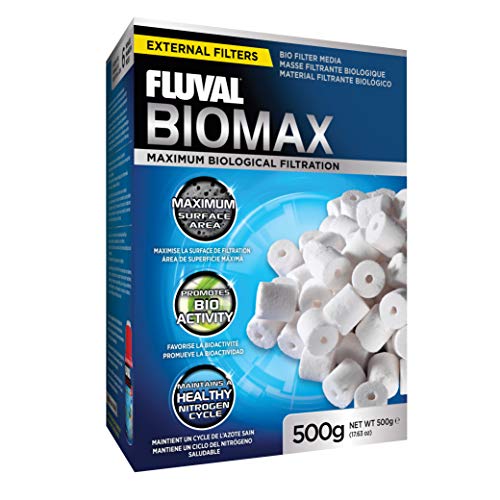
Best for integrated canister systems and established Fluval setups. BioMax is a premium-grade media designed to support biological filtration, helping reduce ammonia and nitrate through extended contact with water.
Why it’s chosen: Its porous design promotes efficient bacteria contact time and works well as part of a Fluval filtration system. Best for users who prefer manufacturer-optimized media to maximize existing equipment performance.
Who it’s for: Ideal for Fluval canisters and users seeking consistent, reliable bio filtration within compatible systems. Caution: May be less compatible with non-Fluval filters without adaptation.
Buying Guide: Key Considerations For Bio Ball Filter Media
- What size and surface area do I need? Larger bio balls (around 1.5″) offer big surface areas and can handle high flow, but require filters with space to accommodate them. Smaller beads fit tighter spaces but may clog faster in heavy debris.
- Material type: Plastic spheres with spines, ceramic or inert quartz balls, and combinations exist. Plastic bio balls are lightweight and forgiving, while ceramic/quartz media can provide stable chemical compatibility and reliable long-term use.
- Mesh bags vs. loose media: Mesh bags simplify installation and removal for cleaning or replacement, but loose media can maximize contact area in larger filter compartments if space allows.
- Flow and filtration balance: Higher flow systems benefit from open-spine designs that reduce clogging. Ensure media choice aligns with your pump and filter’s flow rate to prevent debris buildup.
- Maintenance needs: Some media require less frequent cleaning due to improved debris passage. Others might need periodic rinsing to remove accumulated dust or debris from production.
- Compatibility: Check your filter model and brand compatibility. Some media are optimized for specific canister systems, while others are universal.
- Volume planning: Estimate the total gallons in your pond or tank and match the recommended count or bag size. This ensures enough surface area for the expected bio load.
Practical Quick Comparisons
- Best for ponds with waterfalls: Aquatic Experts 1.5″ Large Bio Balls (100 Count) and 300 Count variant—both designed for high flow and low maintenance.
- Better for multi-use filter setups: Aquarium Masters 300 Count bio balls offer bulk value and flexible placement in bags or loose media.
- Choose this if you want ceramic stability: Sukh Ceramic Bio Balls provide inert filtration with stable water parameters.
- Avoid over-packing non-Fluval filters: Fluval BioMax is optimized for Fluval systems, which helps maximize compatibility and performance within that line.
FAQ For Bio Ball Filter Media
- What is bio ball media best used for?
Bio ball media serves as a large surface area substrate for beneficial bacteria to colonize, supporting biological filtration in ponds and aquariums. - Do bio balls require frequent cleaning?
They are designed to be low-maintenance, but periodic rinsing can help remove debris and extend their effectiveness in high-debris systems. - Can I mix media types in the same filter?
Yes, many setups combine bio balls with ceramic rings or other media to balance mechanical and biological filtration. - Which size is best for a home canister filter?
1.5″ bio balls fit many larger canister filters and provide substantial surface area without excessive compaction. - Are ceramic bio balls safer for pH stability?
Ceramic or inert media typically do not alter pH, offering stable water parameters in most freshwater and some saltwater applications. - Should I rinse bio balls before first use?
A light rinse is often recommended to remove dust or loose particles from manufacturing. Avoid harsh cleaning that could damage the structure.