Best Grass Cubes for Horses: Nutritious Forage Options for Your Stable
Grass cubes for horses provide a convenient, fiber-rich forage option that can support healthy digestion and weight management. This guide highlights five top options, explaining who each product is best for and why it stands out. Readers will find practical buying considerations, quick comparisons, and a concise FAQ to aid decision-making.
| Product | Brand | Best For |
|---|---|---|
| Standlee Timothy Grass Mini Cubes | Standlee | Easy-keepers and picky eaters needing a low-calorie forage |
| Triple Crown Timothy Cubes Balancing Horse Supplement | Triple Crown | Metabolic horses needing low-sugar, balanced forage with beet pulp |
| CZ Grain Alfalfa Cubes | CZ Grain | Active horses or foals needing high protein and calcium |
| Blue Mountain Orchard Grass Pellets | Blue Mountain Hay | Digestive support and easy-meal pellets with quick soaking |
| Pasture & Livestock Seed Mix (Grass Seed) | Outsidepride | Grazing and hay production for diverse forage supply |
Standlee Timothy Grass Mini Cubes, 40 Lbs

Key features: Made from premium sun-cured Timothy grass hay with a naturally sweet aroma. Provides a high-fiber, easily digestible forage. Low in calories and sugar, suitable for easy-keepers.
Best for: Horses that are picky eaters or need a low-calorie, fiber-rich forage to support gut health and weight management. Why selected: The mini cube format makes portioning easier and supports consistent intake for sensitive horses.
Limitations: May be less suitable for horses needing higher protein unless combined with other feeds.
Triple Crown Timothy Cubes Balancing Horse Supplement

Key features: Timothy hay combined with beet pulp delivers high fiber and balanced nutrition. Marketed as a low-sugar forage replacement designed for mature and metabolic horses with special dietary needs.
Best for: Horses with metabolic concerns such as insulin resistance, Cushing’s, or laminitis risk where low sugar is important. Why selected: Combines Timothy hay with beet pulp to support digestion and sustained energy without high starch.
Limitations: Some horses may require gradual introduction to avoid digestive upset when changing forage types.
CZ Grain Alfalfa Cubes for Feeding

Key features: 100% alfalfa cubes, high in protein and calcium, sun-cured with no additives. Designed to provide energy and growth support.
Best for: Active or growing horses needing higher protein and mineral intake. Why selected: Alfalfa cubes offer richer nutrition than many grass-based options, aiding muscle and bone development.
Limitations: Higher energy content means careful rationing around weight management goals to avoid overfeeding.
Blue Mountain Hay Orchard Grass Pellets
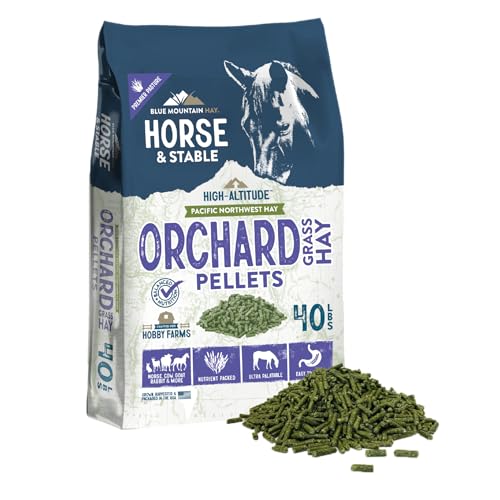
Key features: High-altitude organic alfalfa pellets designed for quick soaking and ease of chewing, with natural fiber and protein density.
Best for: Horses needing easy-to-prepare forage with a focus on digestion and meal-time convenience. Why selected: Pellets reduce dust and choking risk while delivering nutrient-dense forage.
Limitations: Pellets may be less familiar to horses used to traditional hay, requiring gradual introduction.
Outsidepride Grass Seed Mix for Pasture
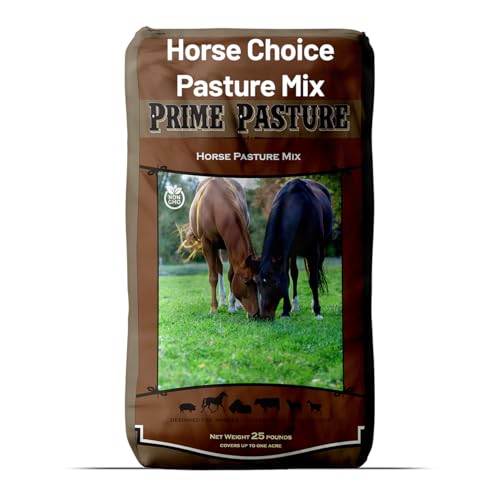
Key features: A diverse seed mix including orchard grass, timothy, fescue, and Italian ryegrass for robust grazing and hay production. Suited for drought tolerance and cold hardiness.
Best for: Farms seeking a long-term forage solution and stable pasture yield for horses and other livestock. Why selected: The mix supports continuous forage supply, reducing feed gaps during different seasons.
Limitations: Seed-based forage requires growth time and suitable soil conditions; not an immediate feed option.
Buying Guide: Grass Cubes For Horses
The right grass cube option depends on your horse’s age, activity, and health goals. Consider forage quality, fiber content, protein levels, and sugar/starch exposure when comparing products.
- For easy-keepers: Choose low-sugar, low-calorie options with high digestible fiber, such as Standlee Timothy Cubes.
- For metabolic concerns: Prefer formulations with beet pulp or balanced nutrition to support weight and insulin regulation, like Triple Crown Timothy Cubes.
- For high protein needs: Alfalfa-based cubes provide more protein and calcium but require rationing to avoid overfeeding in weight-challenged horses.
- For digestion and ease of feeding: Pellets or quick-soak options can reduce choking risk and simplify feeding, as with Blue Mountain Orchard Grass Pellets.
- Pasture management: If you’re prioritizing ongoing forage supply, a diverse pasture seed mix can complement cube feeds and support grazing, as with Outsidepride seed mixes.
FAQ
- What are grass cubes best used for in a horse’s diet?
Grass cubes provide a convenient source of forage that supports fiber intake and gut health. They’re often used to supplement hay or replace forage when access to fresh forage is limited.
- Are alfalfa cubes suitable for all horses?
Alfalfa cubes are higher in protein and calcium, which benefits growing or highly active horses. They may be too energy-dense for easy-keepers, so ration carefully.
- How do I introduce new grass cubes to my horse?
Introduce gradually over 7–14 days, mixing a small amount with current feed and increasing slowly to avoid digestive upset.
- Should I choose pellets or cubes?
Pellets can be easier to soak and digest for some horses, while cubes provide a compact forage source with good fiber content. Choose based on your horse’s chewing and swallowing needs.
- Can grass cubes replace hay completely?
Depends on the horse and product. Some horses may eat enough cubes to meet fiber needs, while others still require a hay component or additional forage.
- What should I monitor when feeding grass cubes?
Watch for changes in weight, how well the horse chews, gut health, and any signs of texture intolerance. Adjust the ration if stool quality or appetite changes.